
1. Where is Oman, and how do I get there?
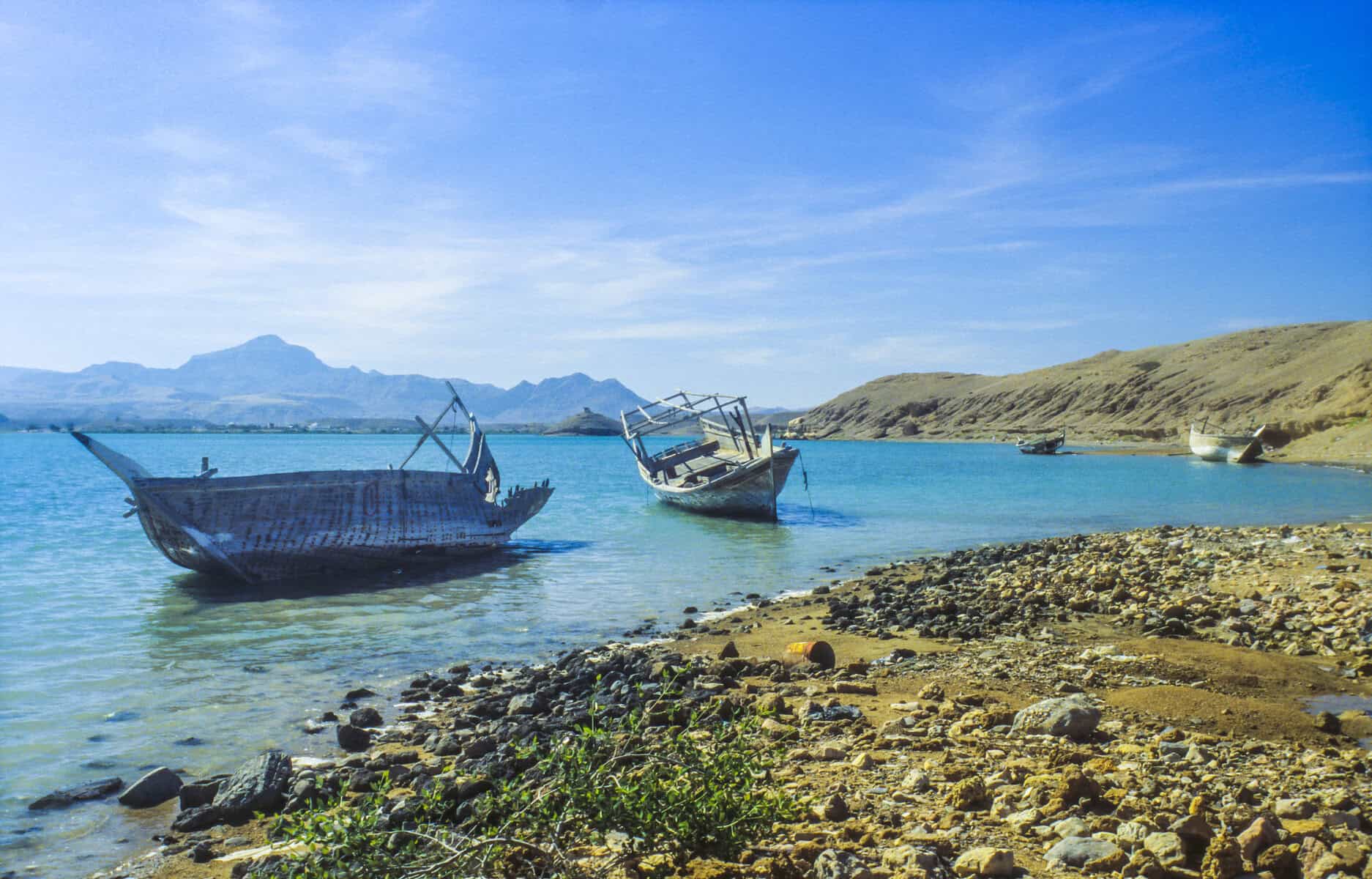
Oman is in the south-eastern corner of the Arabian Peninsula, bordering the UAE, Saudi Arabia, and Yemen. It stretches along the Arabian Sea and the Gulf of Oman, giving it over 3,000 kilometres of stunning coastline and diverse landscapes.
Getting here is easy! You can access Oman by air, land, and by sea. Most travellers fly into Muscat International Airport, which has connections to major cities worldwide. But there are also airports in Salalah, Duqm, and Khasab. If you’re coming from the UAE, you can also drive or take a bus across one of the borders — it’s a scenic road trip. Another way to arrive in the Sultanate is to book a cruise which will call port at either the Sultan Qaboos Port in Muscat or at the Salalah Port.
2. What are the best times of year to visit Oman?

The best time to visit Oman is between October and April when the weather is pleasantly warm — perfect for exploring. Summers (May to September) can be extremely hot, especially inland, but if you’re visiting Dhofar in the south, the Khareef (monsoon) season from June to August transforms the landscape into lush greenery, which is a unique experience! You can also visit Masirah island which benefits from a breeze.
3. Do I need a visa to visit Oman?
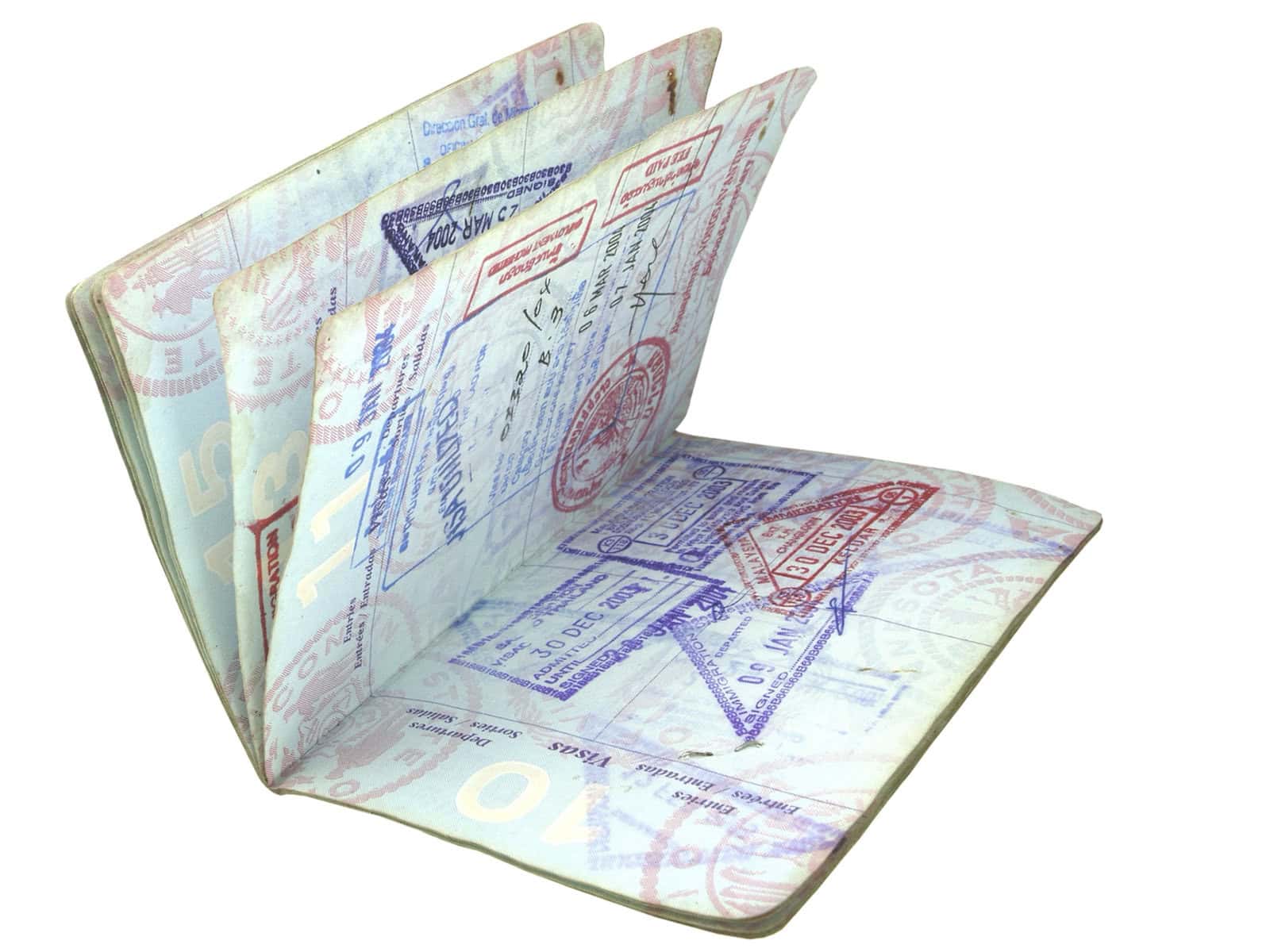
It depends on your nationality! Many travellers can get a visa on arrival, apply for an e-visa online before their trip, or in some cases don’t even need a tourist visa if their stay is shorter than 14 days. Oman also offers visa-free entry for visitors who are UCC nationals (the Kingdom of Bahrain, the State of Kuwait, the State of Qatar, the Kingdom of Saudi Arabia and the United Arab Emirates). The rules change from time to time, so I always recommend checking the official website for the latest updates before you travel.
4. What are must-visit places?
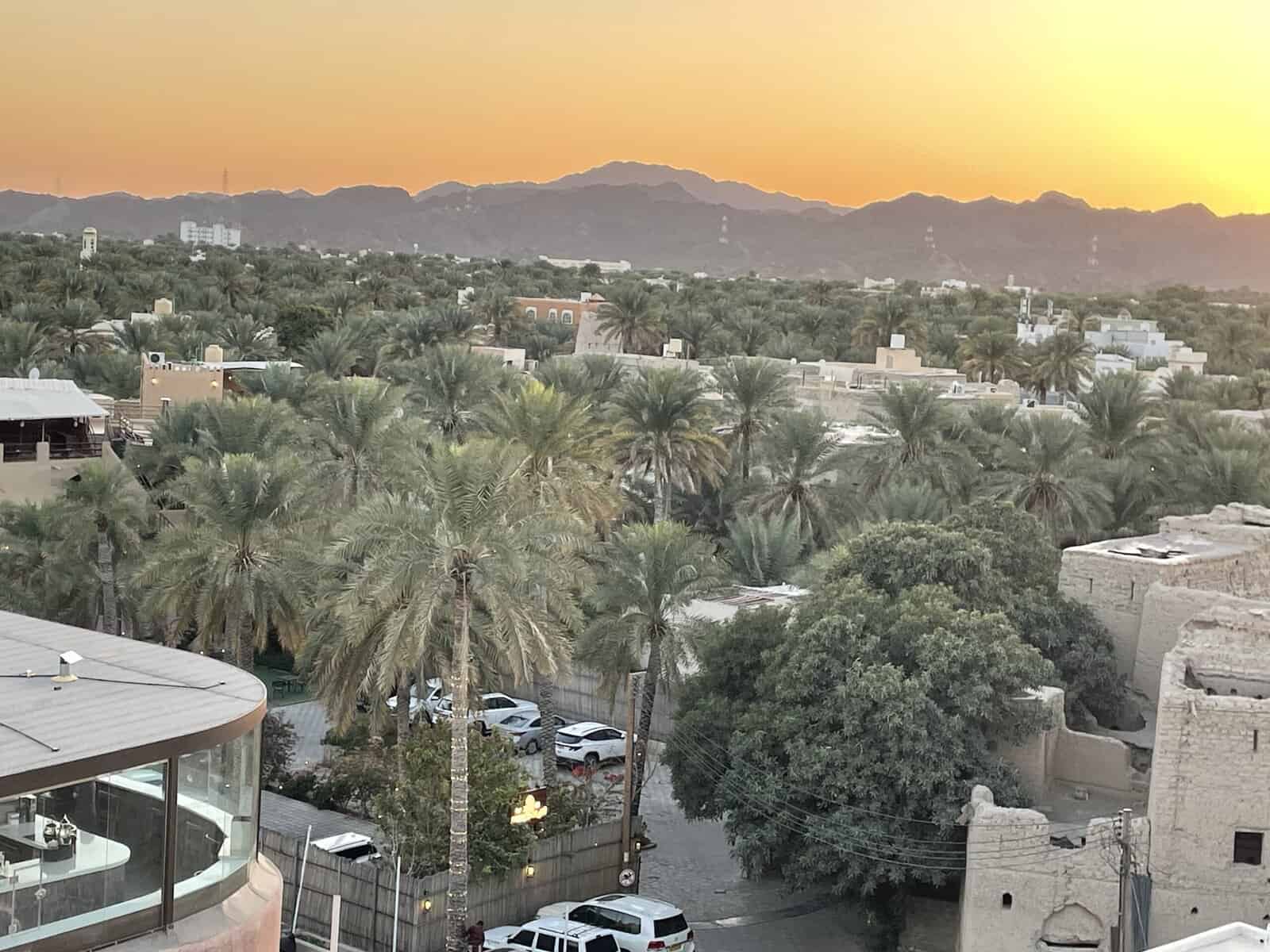
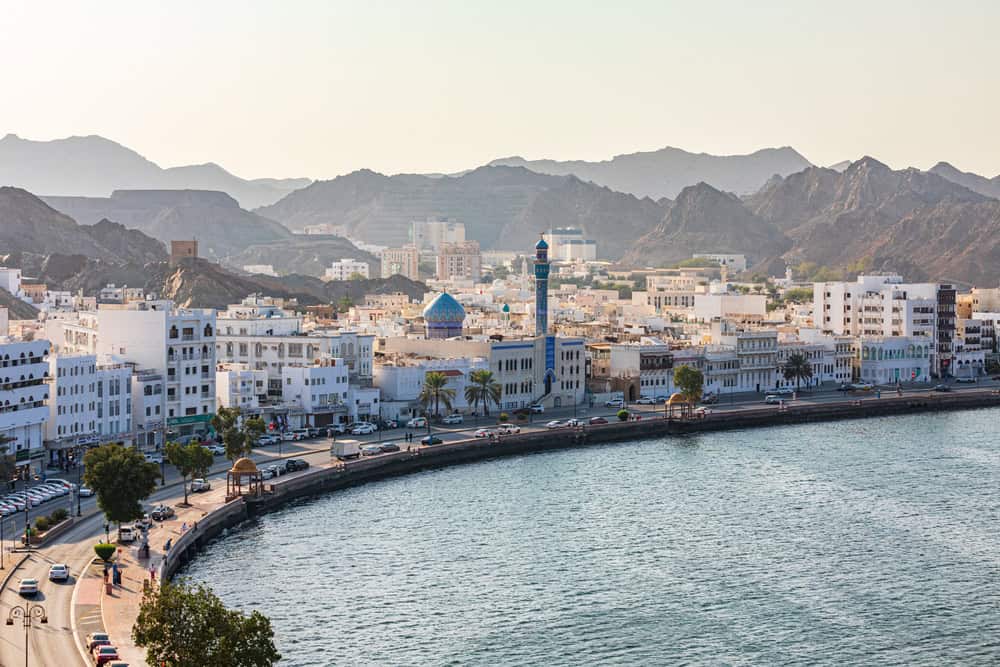
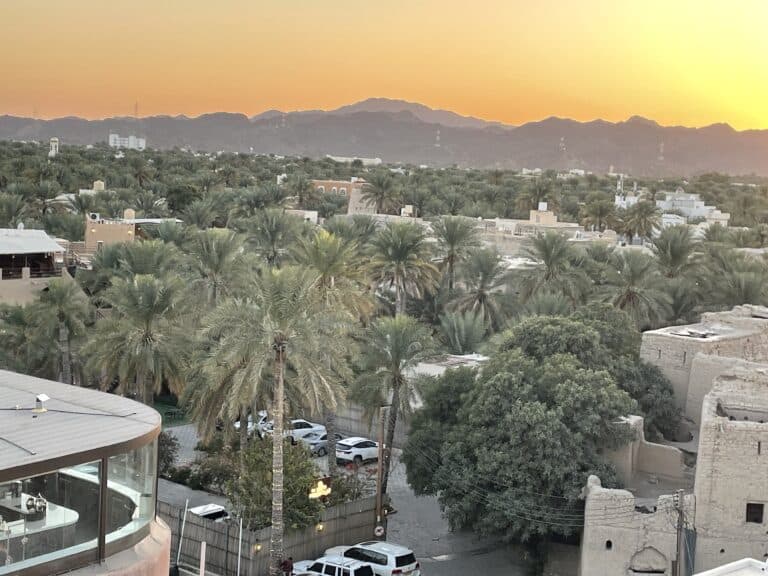
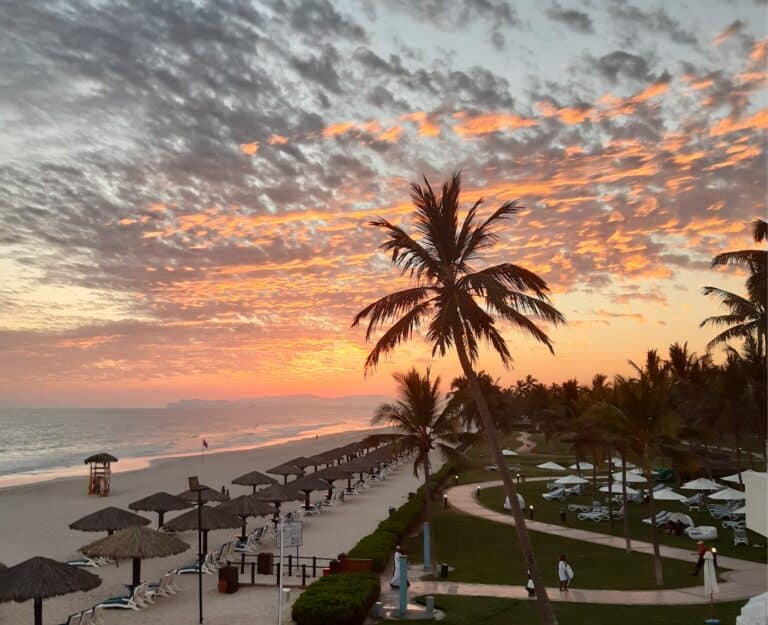
Muscat is a great starting point with the Sultan Qaboos Grand Mosque and Mutrah Souq. Nizwa is famous for its historic fort and lively market. The ancient town of Bahla, a UNESCO site, is a must-see, and you can’t miss the beautifully preserved mud-brick villages of Misfat Al Abriyeen or Birkat-al-Mouz. In the south, around Salalah, you will find outstanding beaches and stunning cliffs and, inland, the mountainous regions of Jabel Akhdar or Jabel Shams offer splendid hiking areas. Every region has its own cultural gems waiting to be explored!
5. What unique cultural experiences can I have in Oman?
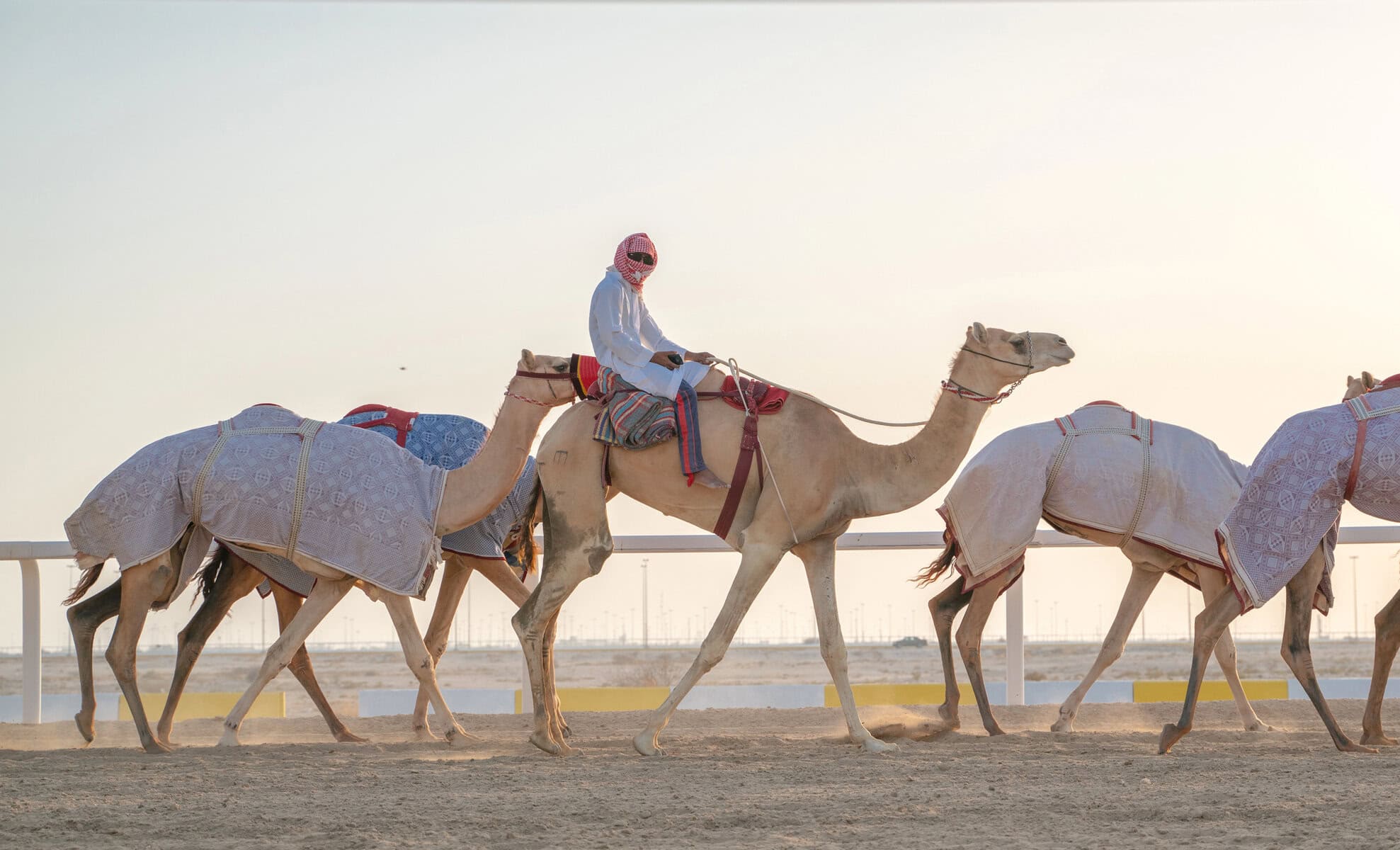
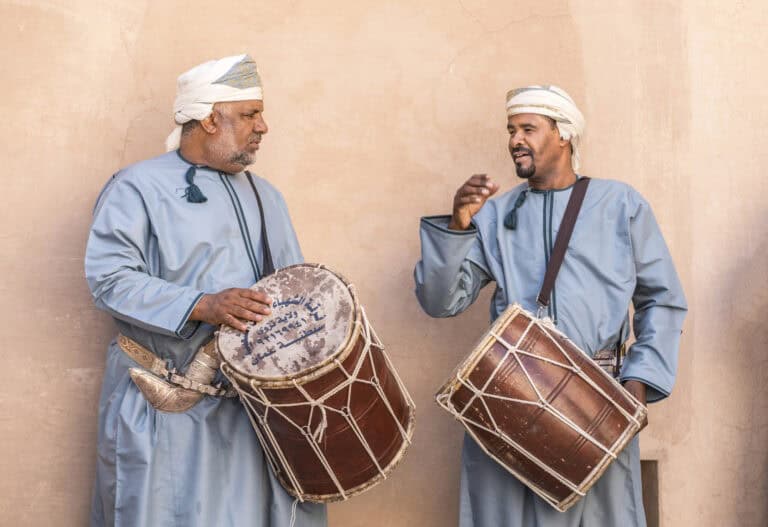
Oman is all about deep, immersive experiences. You can join a traditional Omani cooking class, witness the art of incense-making in Salalah, or watch a lively camel race. If you love music and dance, I would recommend attending a traditional Omani performance. And for something truly special, you should spend a night in the desert with the Bedouins, listening to stories under a sky full of stars. I find this magical!
6. What should I wear in Oman?
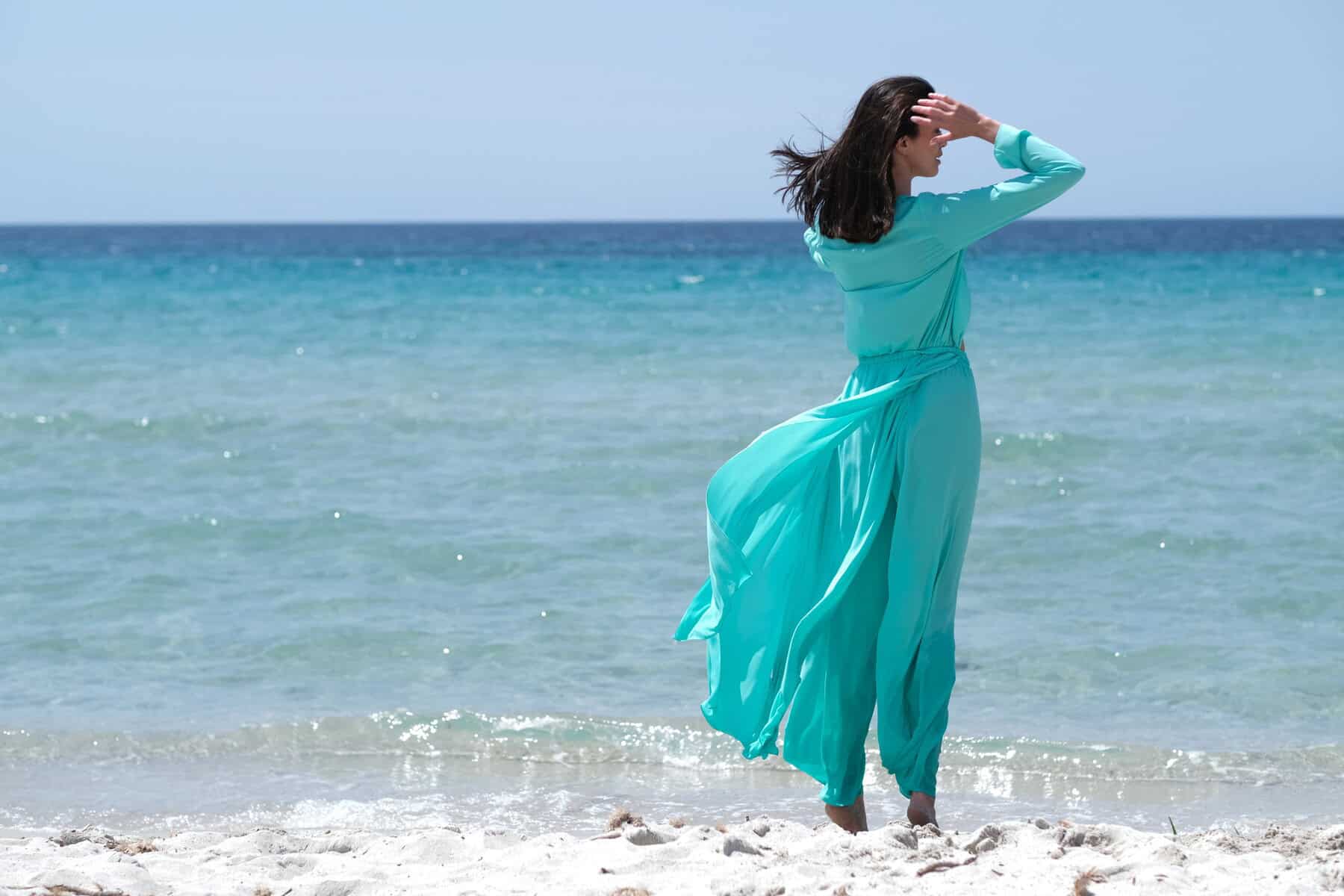
Oman is quite relaxed, but it’s good to dress modestly, especially in public places. For women, long, loose clothing like maxi skirts, dresses, or lightweight trousers with a blouse work well. Men typically wear long trousers and a T-shirt or shirt. In the mosques, both men and women should cover their arms and legs, and women need a scarf to cover their hair. If you’re heading to the beach, a one-piece swimsuit and a cover-up is a good idea for public areas.
For more detailed info about this, see my post on what to pack. It includes a practical packing list at the end of the post.
7. How do I get around in Oman?
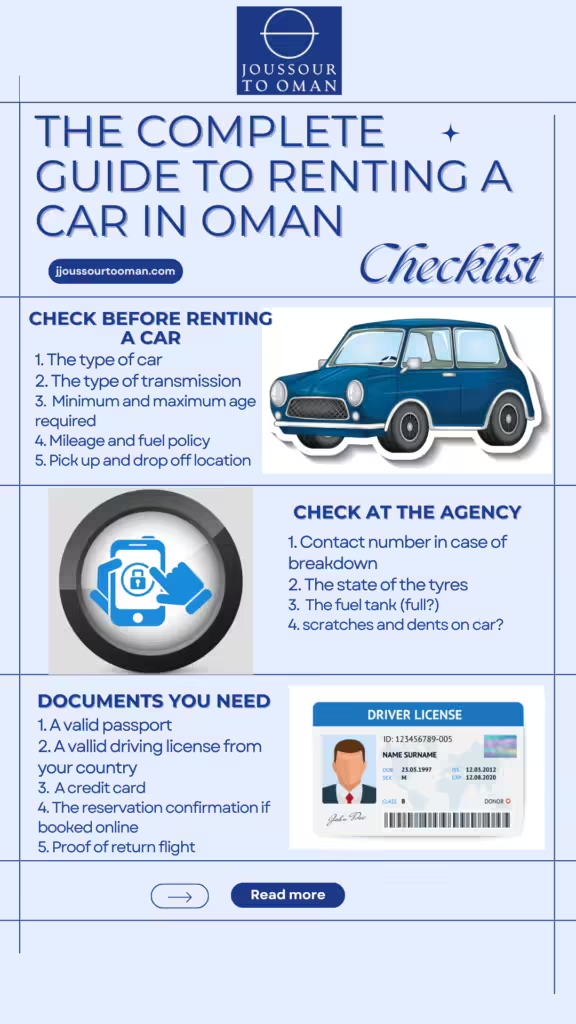
I would say that renting a car is the best way to explore Oman, as public transport is limited outside the cities. The roads are well-maintained, and driving gives you the freedom to visit remote wadis and villages. If you’re staying in Muscat, taxis and apps like Otaxi work well for short trips. For adventure seekers, you can either rent a 4×4 or book a ride with a guide who can accompany you in exploring the desert or the mountains.
8. What food should I try in Oman?
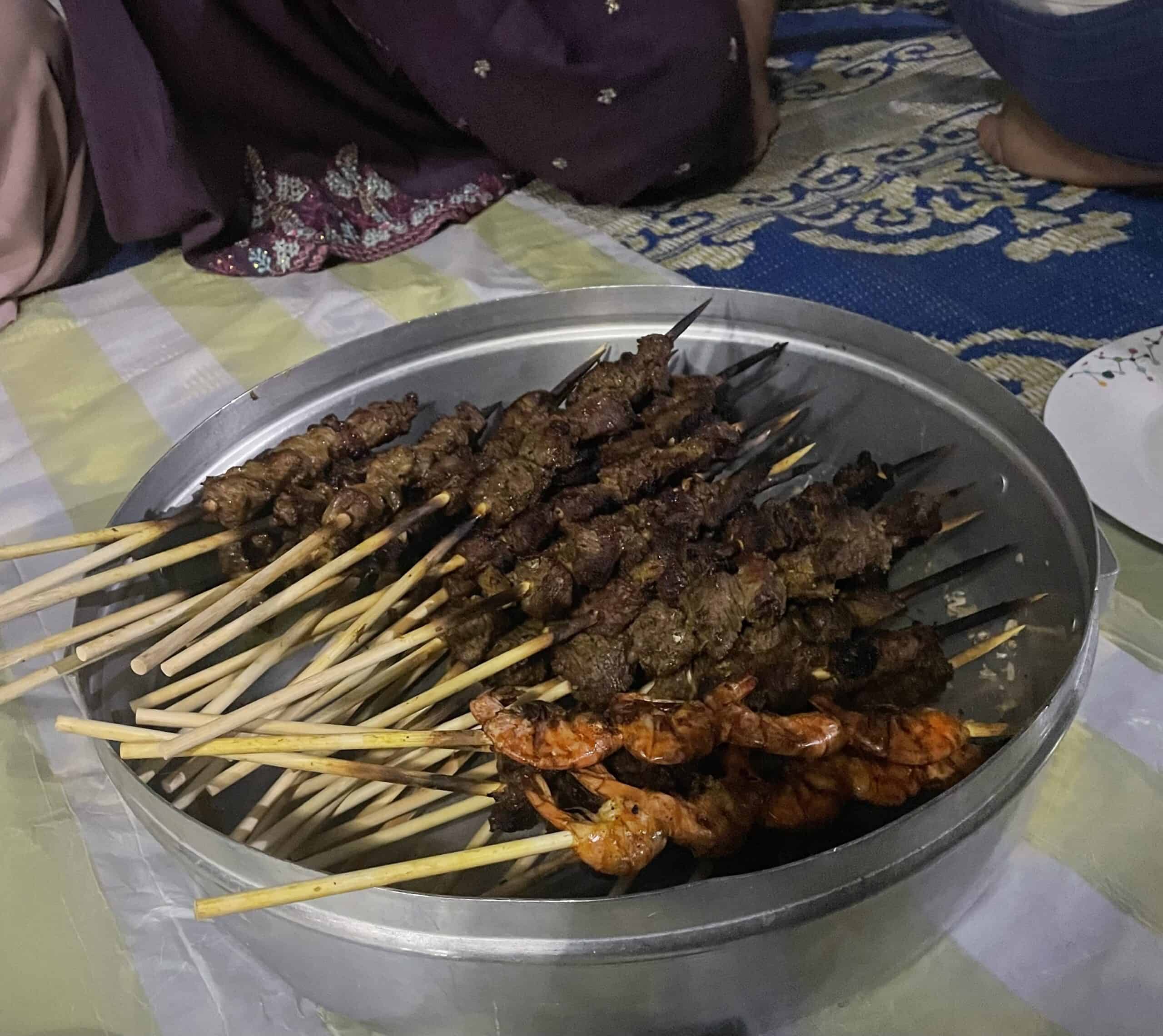
Omani food is full of rich flavours and spices! Try shuwa, a slow-cooked lamb dish prepared in underground sand ovens, and majboos, a spiced rice dish similar to biryani. Mashuai (grilled kingfish with rice) is a seafood favorite. Don’t leave without tasting halwa, a sweet dessert, and enjoying a cup of Omani coffee (kahwa) served with dates—an essential part of Omani hospitality.
Omani cuisine has many influences coming from India, Iran, Pakistan, and Africa. So the dishes are very cosmopolitan.
9. What are some unique souvenirs or art forms I can bring back?
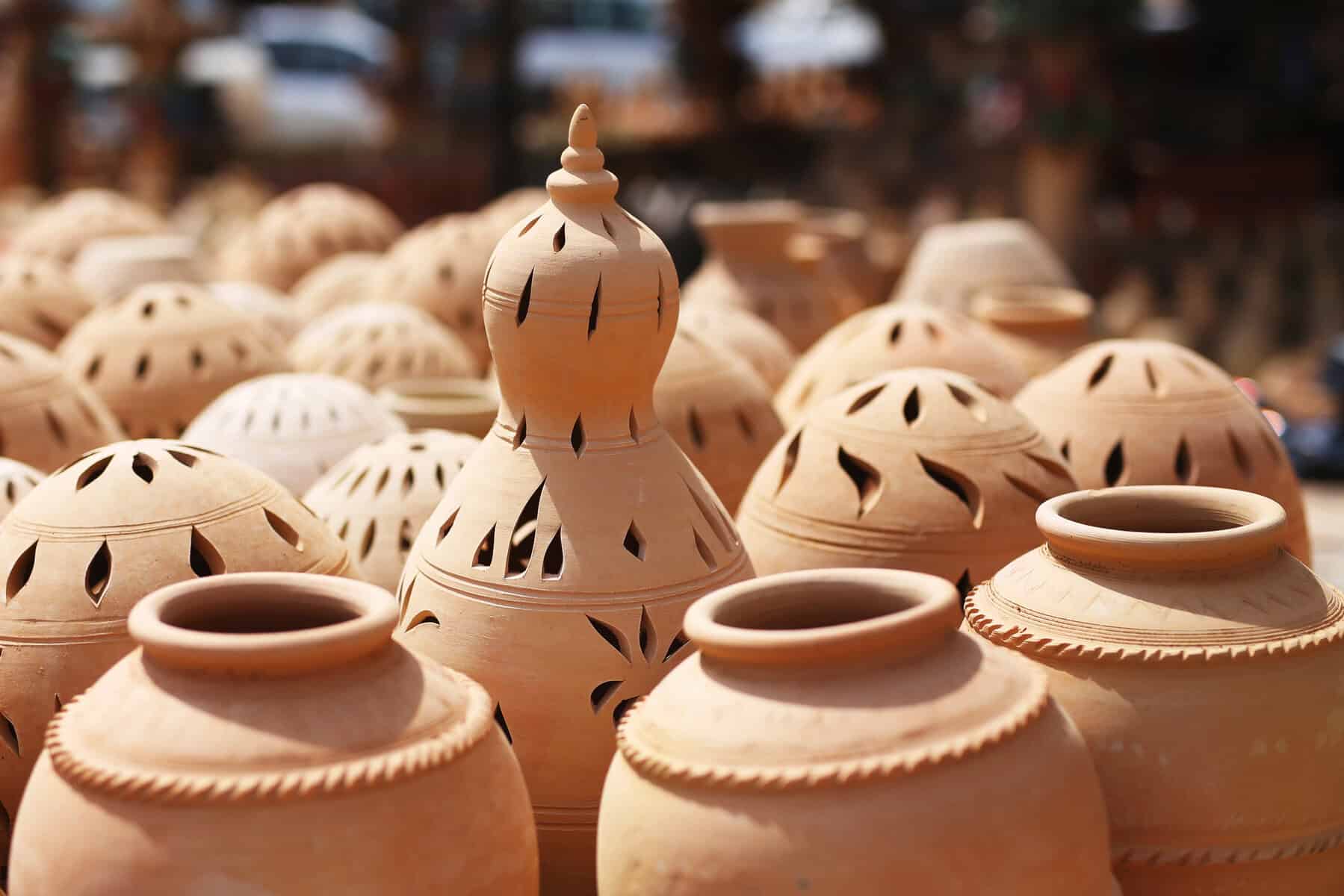
Oman has beautiful handcrafted souvenirs. Look for silver jewellery or the iconic Omani khanjar (dagger). Frankincense from Salalah is a must-buy, as well as handmade pottery from Bahla. If you love textiles, pick up a beautifully embroidered mussar (traditional Omani turban) or a handwoven sado bag.
10. How can I connect with locals and experience Omani hospitality?
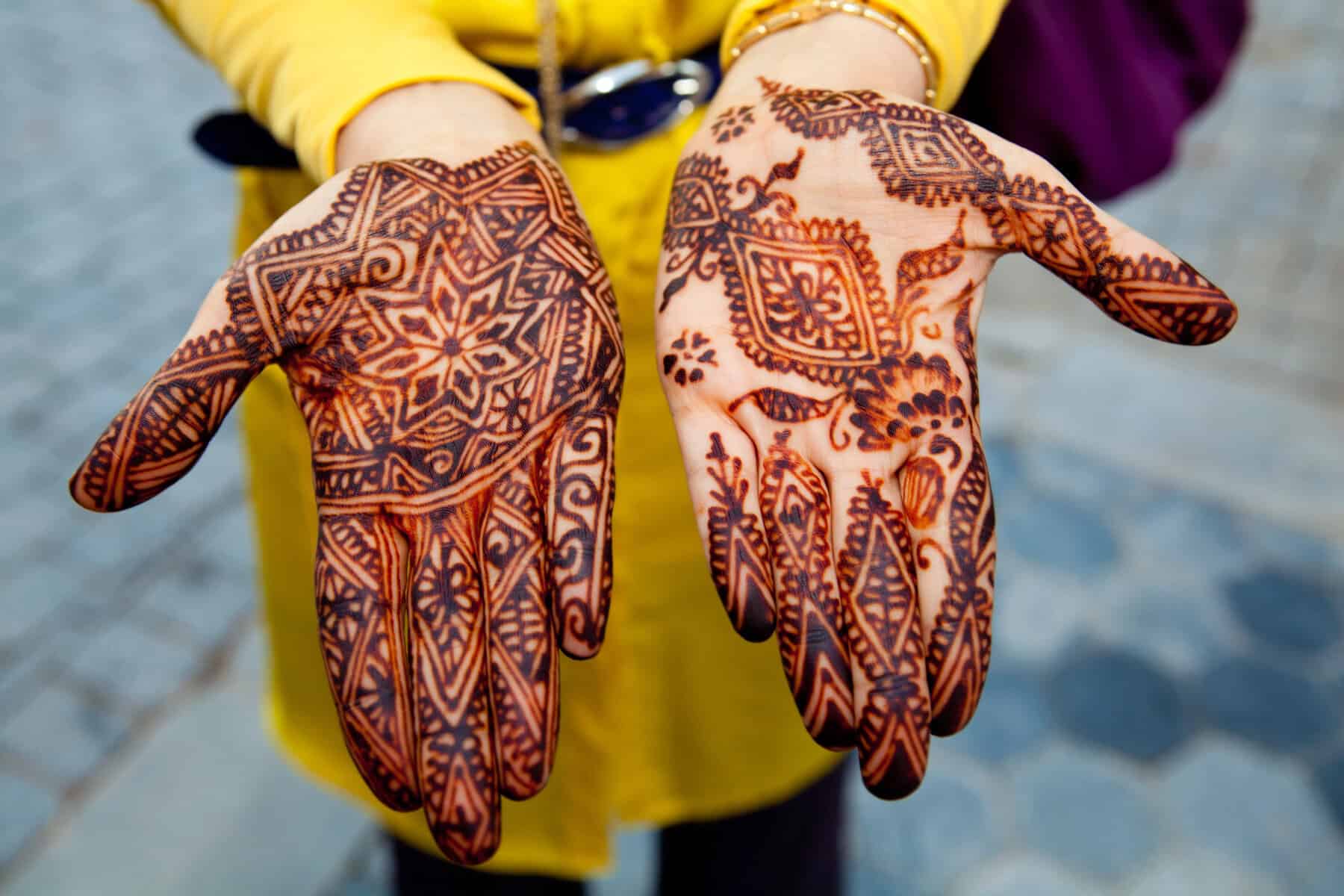
I would advise you to visit a local souq and chat with shopkeepers, join a cultural workshop, or stay in a guesthouse run by an Omani family. If you’re lucky, you might get invited for Omani coffee and dates —it’s a wonderful way to experience true Omani hospitality first-hand.
This essential guide to Oman has given you a glimpse of what to expect during your visit to Oman. Continue exploring to discover more about the Sultanate and its culture!