12th February 2026
When is the best time to travel to Oman? The best time to visit Oman is generally between November and March, when temperatures are ideal across most regions and outdoor exploration is really enjoyable.
However, the ideal time does depend on what YOU want to experience — from mountain rose harvests to the Khareef monsoon in Salalah.
Drawing on my experience of living here for 5 years, this month-by-month guide will help you design your trip based on regional weather, festivities and seasonal activities.
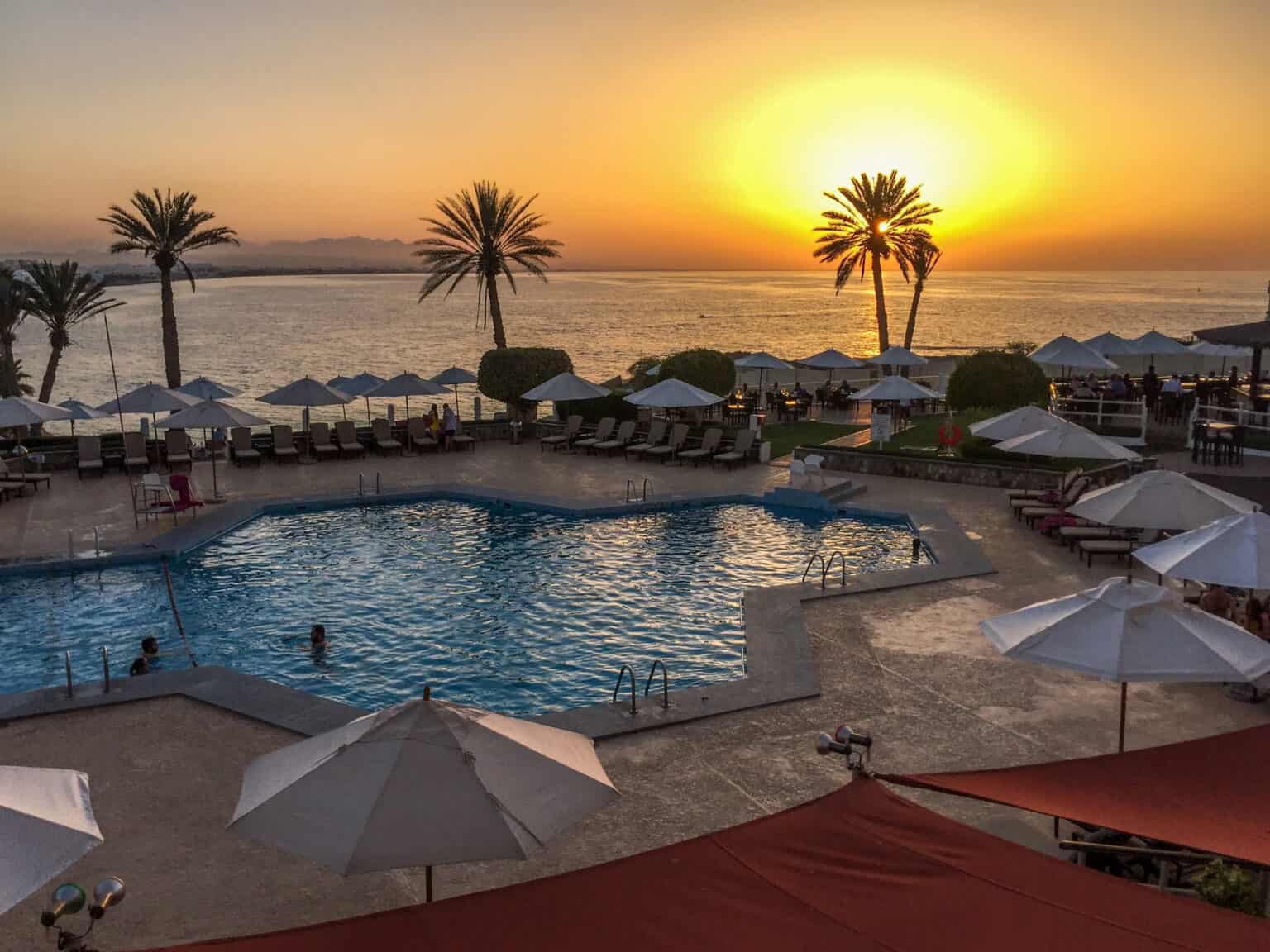
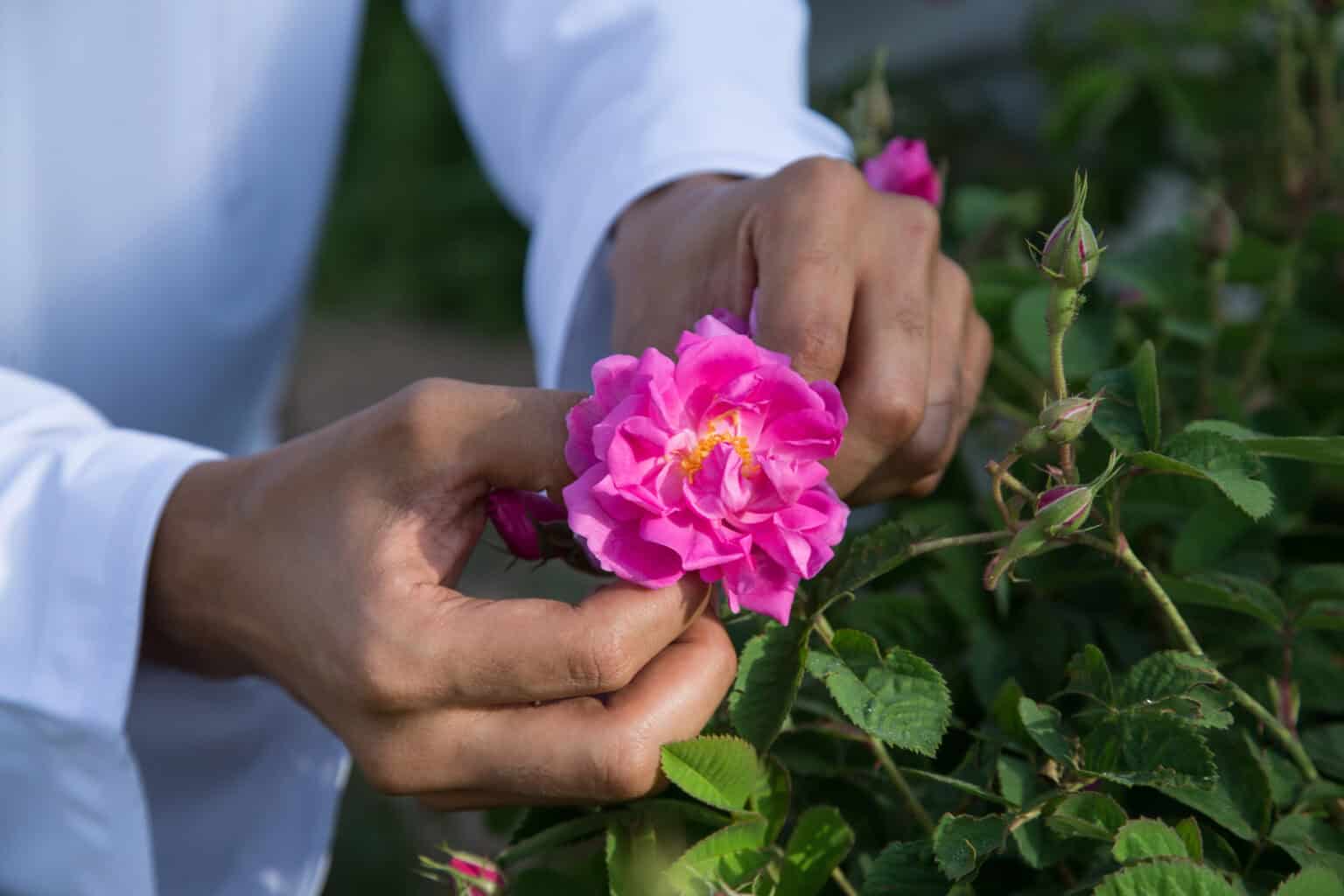
Best for Unique Cultural Experience: March / April — Time your journey for the Jebel Akhdar Rose Harvest and traditional distillation.
Best for hiking & mountains: December to March — Best for trekking through traditional stone villages and lush mountain terraces.
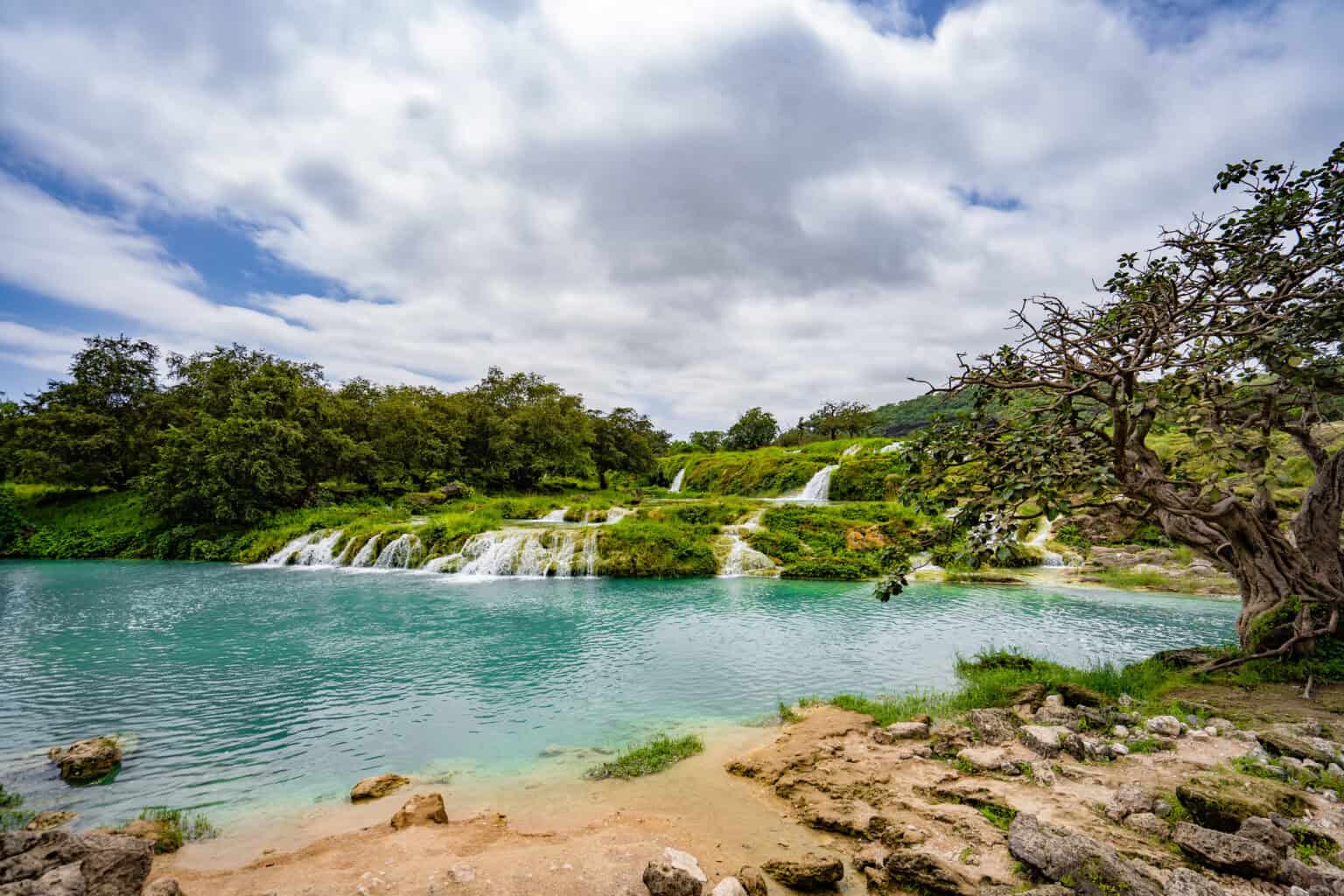
Best for green landscapes: June to September in Salalah (Dhofar) — Witness the Salalah Khareef monsoon and its vibrant seasonal cultural festival.
Save this guide for later or use it while planning your visit.
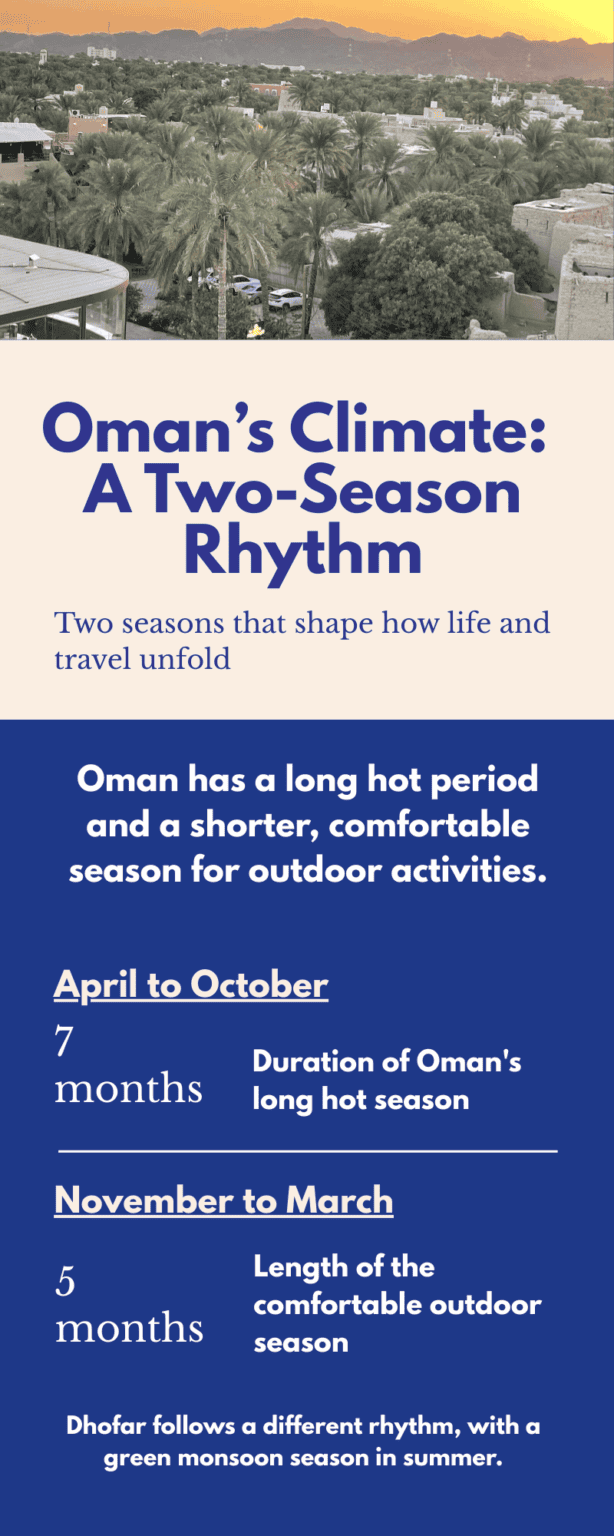
Very quickly, I learned that Oman runs on a two-season rhythm rather than the four-season cycle many of us are used to. Instead of spring, summer, autumn, and winter, the year is shaped by a long hot period – and I mean 45-48 degrees HOT!! – and a shorter, genuinely comfortable season. Although October is often presented as a transition month, it is usually still very hot on the ground. The real shift tends to arrive towards the end of November, when daytime temperatures finally ease and being outdoors for long stretches becomes enjoyable again.
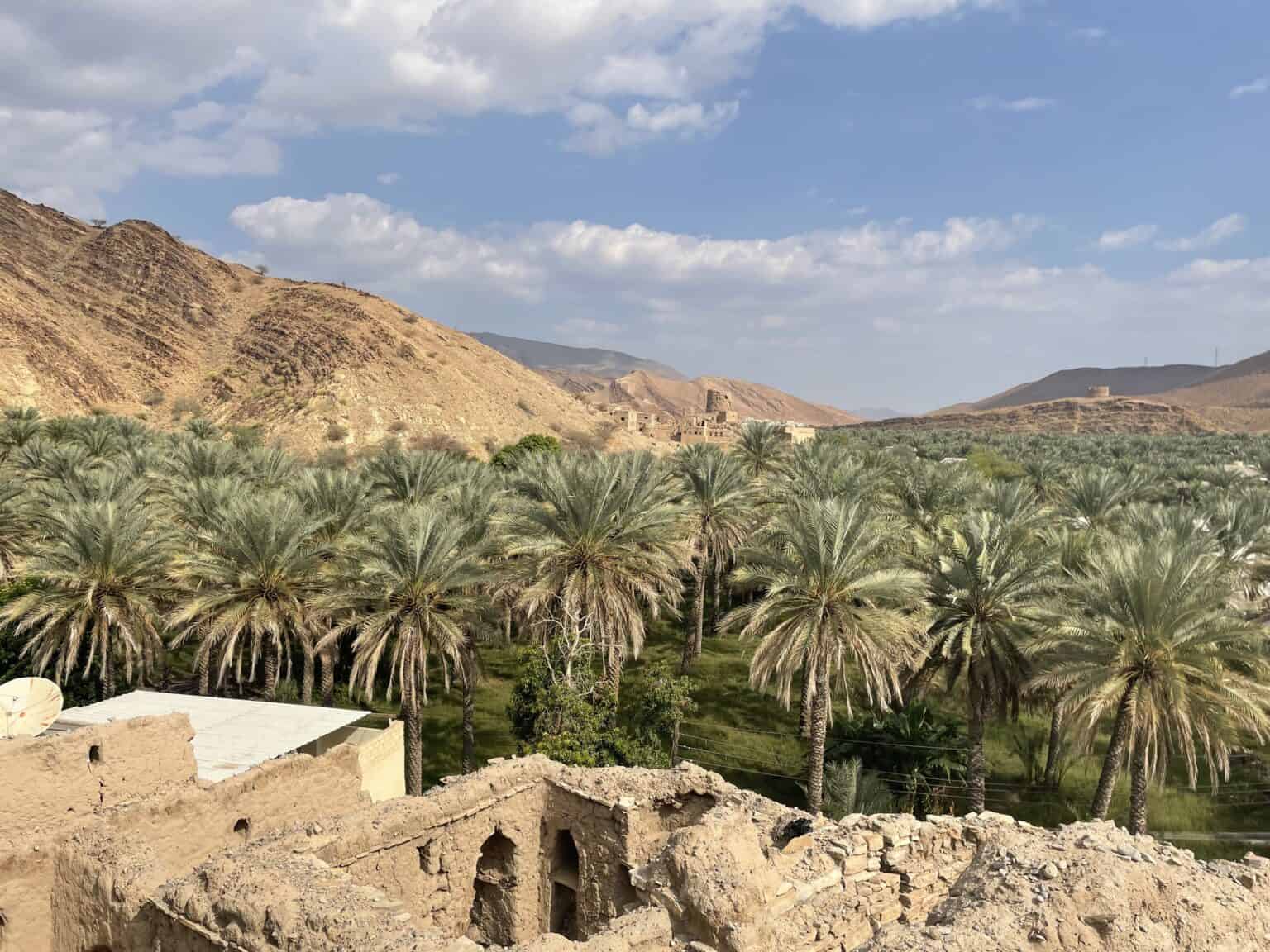
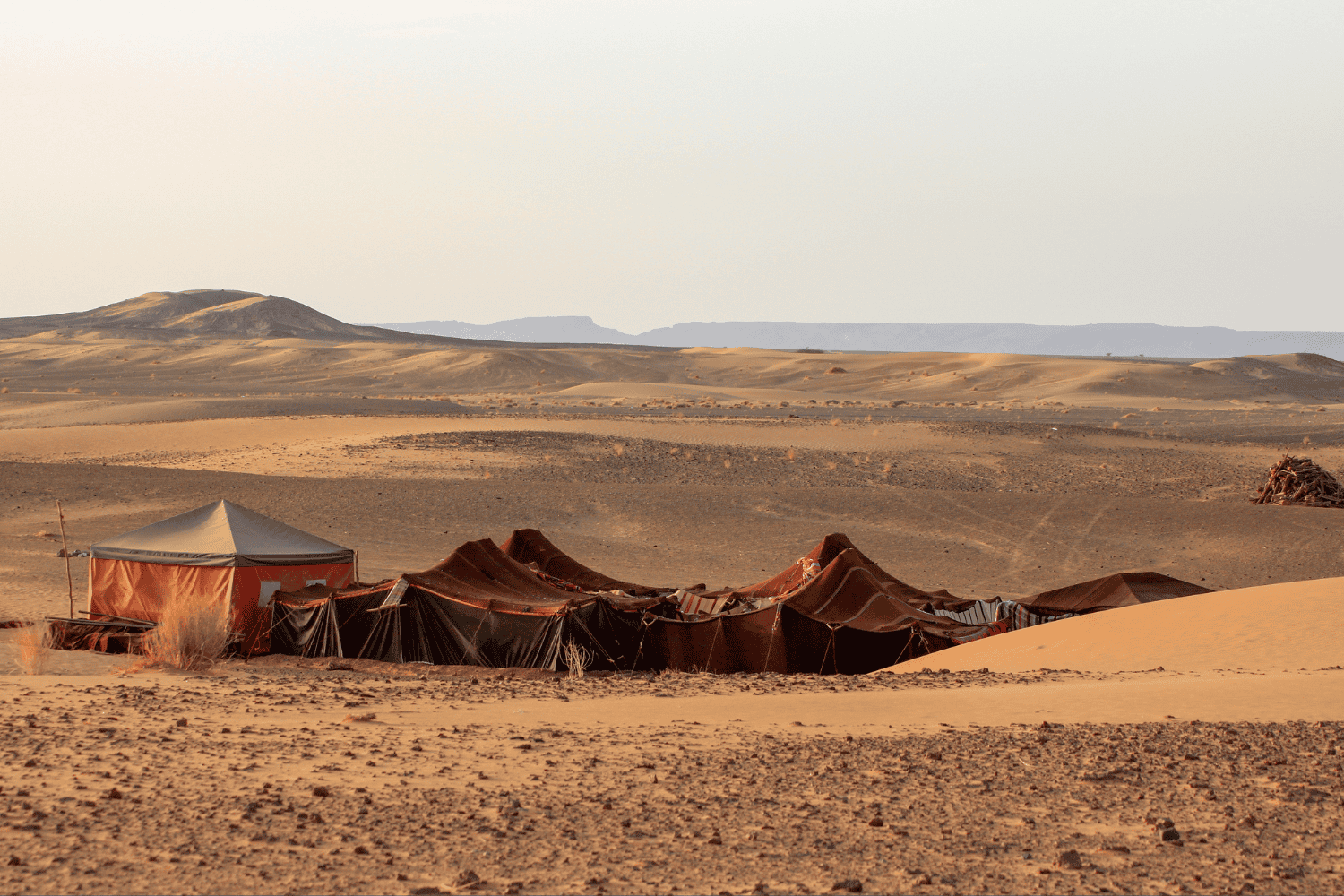
Within that overall pattern, conditions vary clearly by region. Coastal areas, including Muscat, are shaped by humidity, which makes heat feel heavier and slower to fade. Inland deserts are drier but more extreme, with intense daytime temperatures and cooler nights. The mountains stay cooler year-round and can feel properly cold after sunset in winter. In the south, the Dhofar region follows a different rhythm altogether, with the Khareef monsoon bringing mist, light rain, and green landscapes in summer while much of the rest of the country is at its hottest.
| Location | Jan | Feb | Mar | Apr | May | Jun | Jul | Aug | Sep | Oct | Nov | Dec |
|---|---|---|---|---|---|---|---|---|---|---|---|---|
| Muscat (°C) | 25 | 26 | 31 | 36 | 40 | 41 | 39 | 38 | 37 | 35 | 30 | 26 |
| Muscat (mm) | 25 | 25 | 10 | 0 | 0 | 0 | 0 | 0 | 0 | 0 | 0 | 10 |
| Salalah (°C) | 28 | 28 | 30 | 32 | 33 | 25 | 21 | 20 | 22 | 27 | 28 | 28 |
| Salalah (mm) | 0 | 0 | 0 | 0 | 0 | 150 | 250 | 200 | 100 | 10 | 5 | 0 |
| Jebel Akhdar (°C) | 17 | 18 | 20 | 23 | 28 | 32 | 30 | 29 | 27 | 23 | 19 | 17 |
| Jebel Akhdar (mm) | 7 | 14 | 7 | 7 | 7 | 0 | 7 | 7 | 0 | 0 | 0 | 0 |
| Nizwa (°C) | 23 | 24 | 29 | 34 | 39 | 41 | 39 | 38 | 36 | 32 | 26 | 23 |
| Nizwa (mm) | 7 | 7 | 7 | 7 | 0 | 0 | 0 | 0 | 0 | 0 | 0 | 0 |
To get detailed information about the weather forecast, visit the following website: Oman Meteorology
I can still remember my amazement as all my students suddenly ran out of my class one evening in Nizwa. I had only been in Oman for 3 weeks at that point and wondered what had happened. When I enquired, the Omani receptionist said with a contained joy, 'It's raining! It's raining!' Since then, I have witnessed over and over Omanis' love of rain - a rare pleasure in this part of the world.
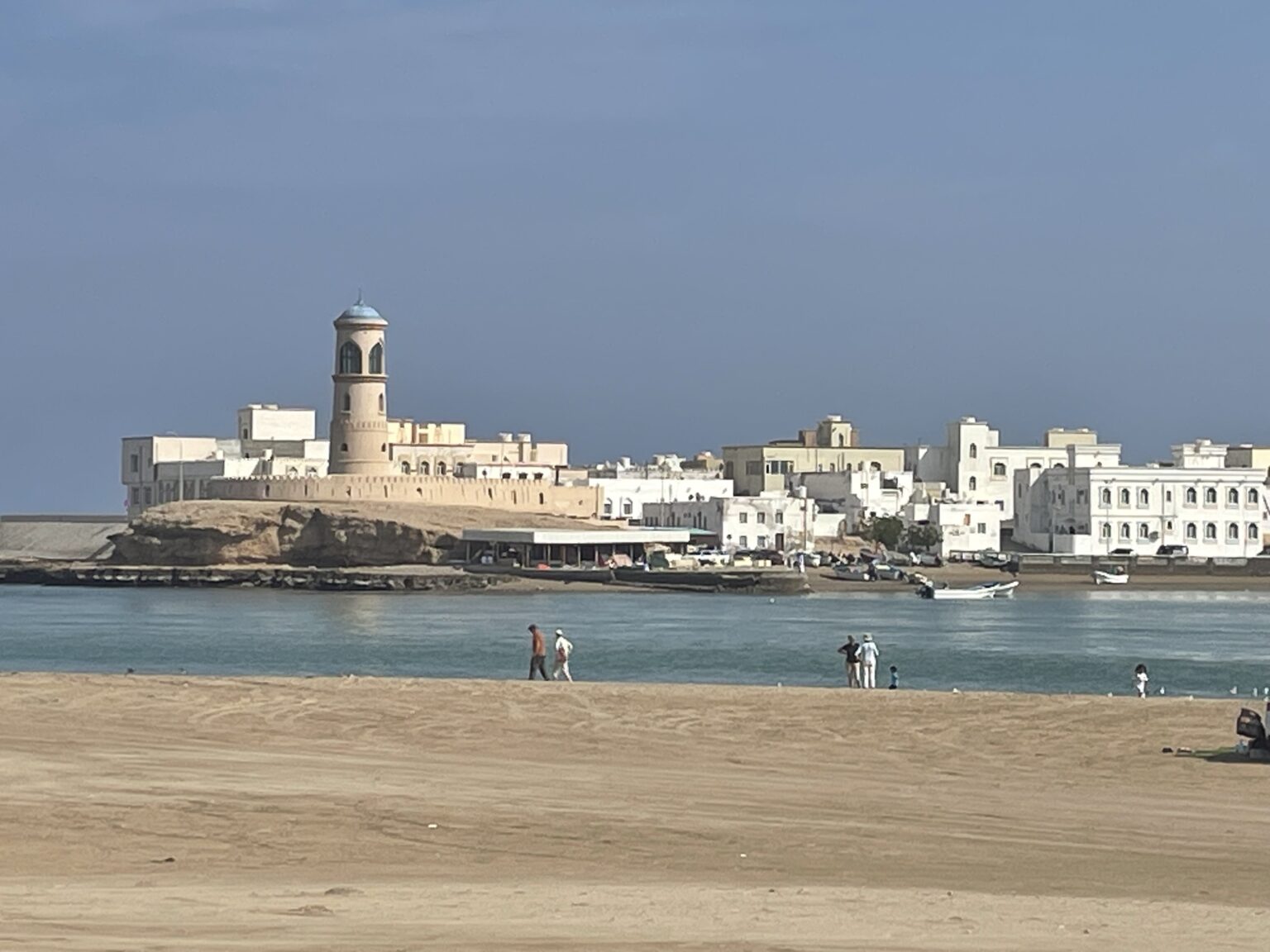
Ideal for cultural travel across Muscat, with perfect conditions to explore the Al Hajar Mountains, the desert of Sharqiya Sands, and the diverse Omani coastline—from the northern fjords of Musandam to the historic city of Sur.
This is Oman’s most popular travel season — and for good reason. Temperatures are at their most comfortable, the light feels crystal clear, and daily life opens outward into markets, festivals, mountains, and desert camps.
For Omanis, this is the time to go camping and spend long hours having barbecues with family and friends.
While this is the busiest time of year, it’s also when cultural life is most visible — if you know where to look and how to move beyond the obvious stops.
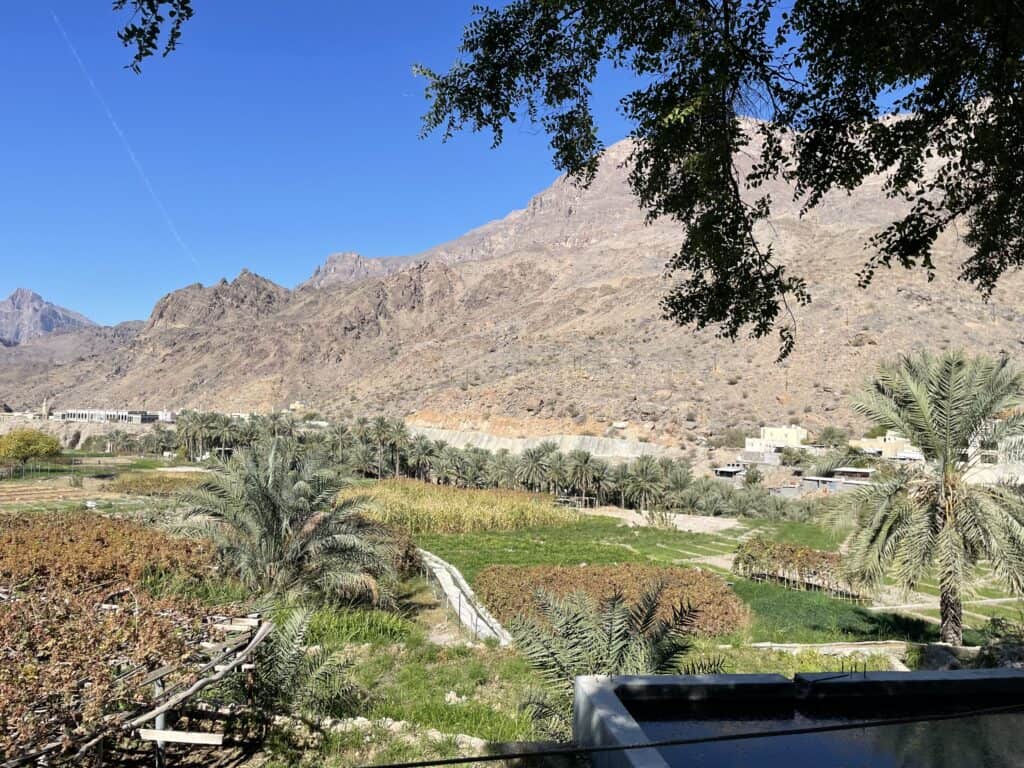
The ideal time to witness the famous rose harvest on Jebel Akhdar.
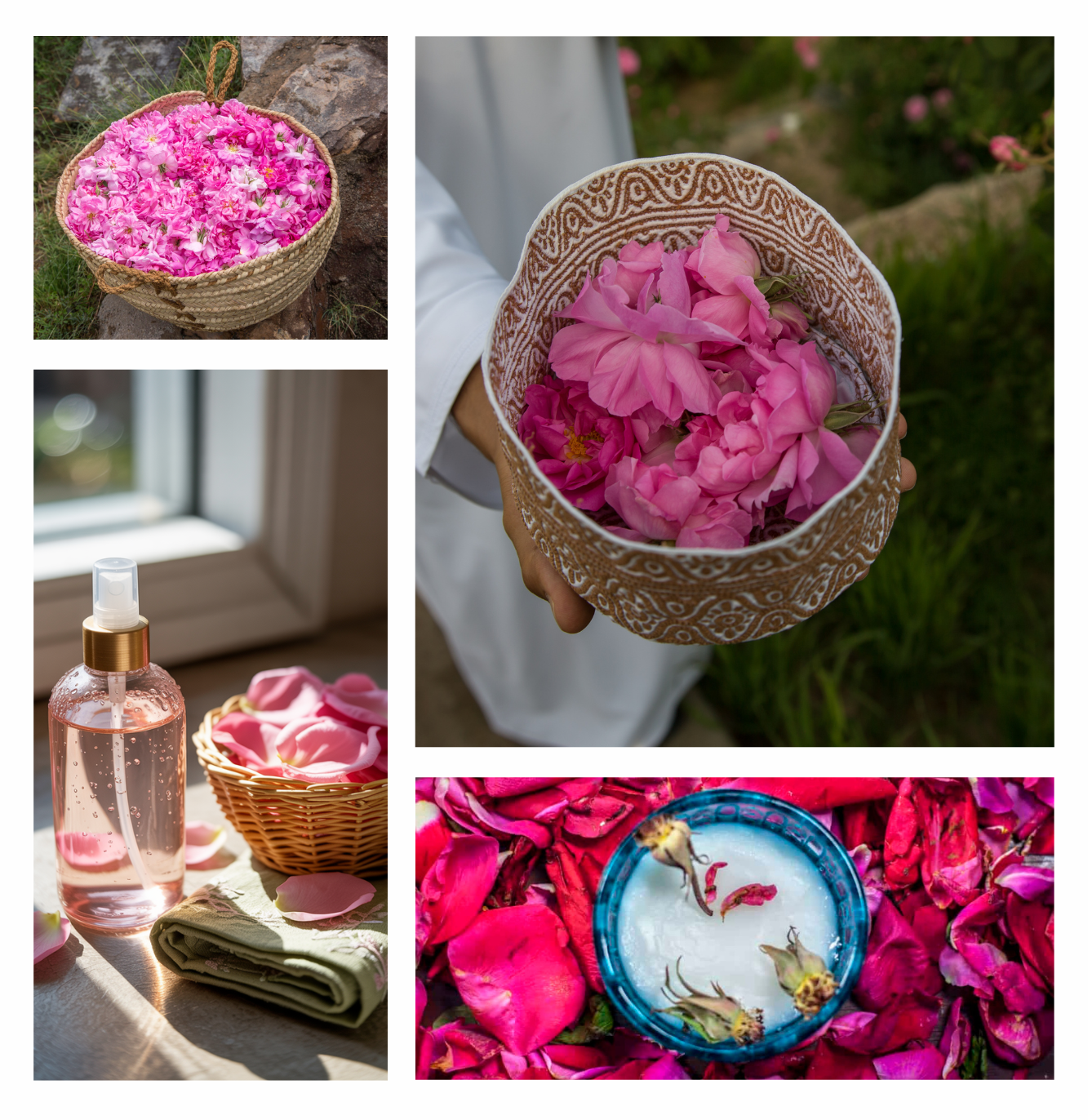
In the mountains of Jebel Akhdar, cooler high-altitude conditions make it the ideal time to witness the rose harvest, when villages fill with the scent of freshly picked petals and rosewater distillation begins.
It’s a short window, but a memorable one — especially if you’re interested in agricultural traditions, seasonal rhythms, and seeing a side of Oman that’s deeply rooted in place and time.
Ideal for Dhofar’s monsoon season, higher-altitude travel, and heat-aware itineraries.
Summer is the season that has taught me to travel differently in Oman. The heat is constant and leaves little room for spontaneity, especially inland. You need to organise your day around shade and long pauses indoors. It’s not a season I’d recommend for a first visit — but it is the one that reveals how closely daily life here is shaped by climate.
See my guide on travelling to Oman in summer.
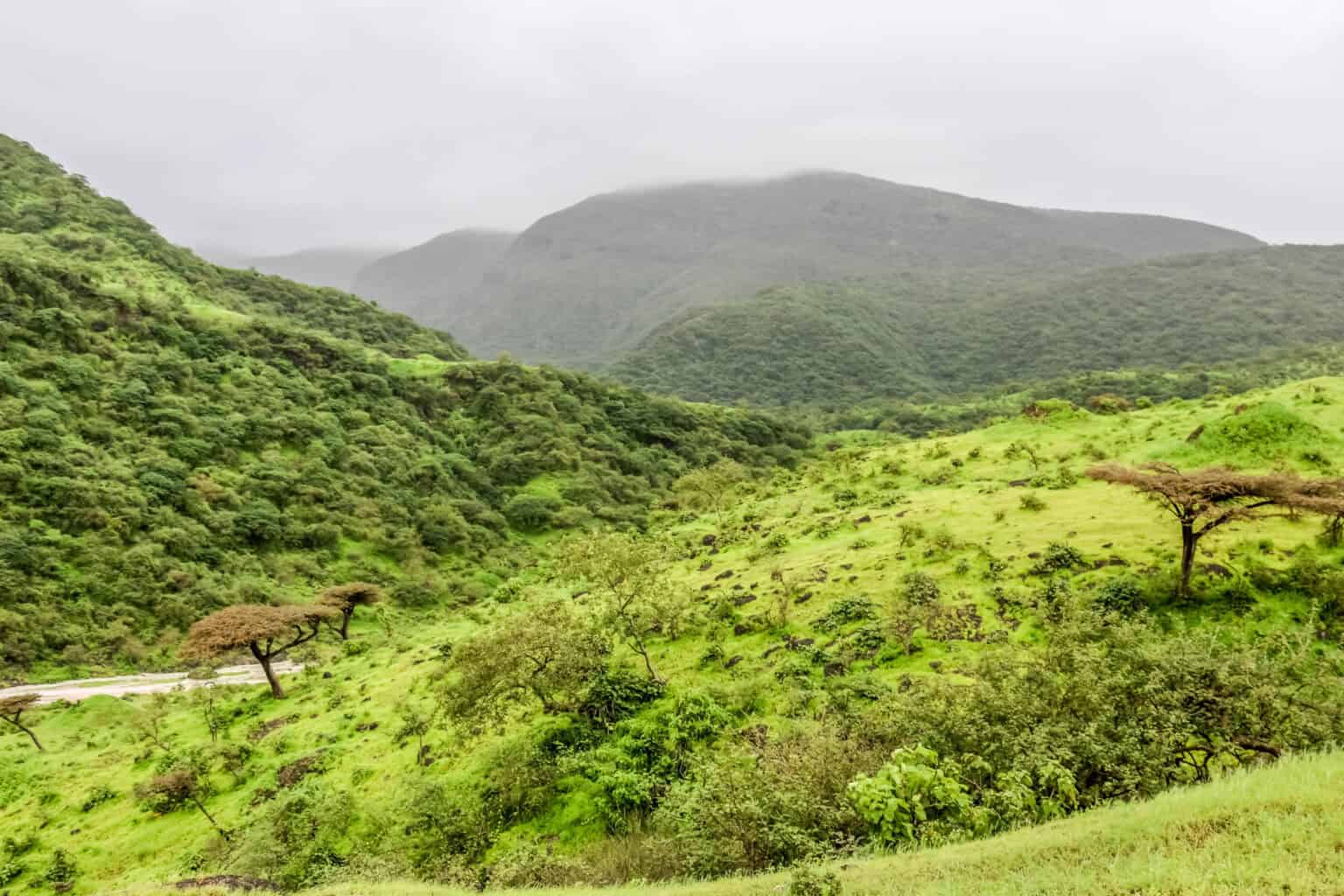
In the south, everything shifts. During Khareef, the Dhofar region around Salalah turns green and misty, with cooler air, light rain, and hills that feel almost unrecognisable compared to the rest of the country. I still find it surprising how local and seasonal this period feels — people come to sit outside, walk slowly, and enjoy the simple relief of softer weather rather than to rush through sights.
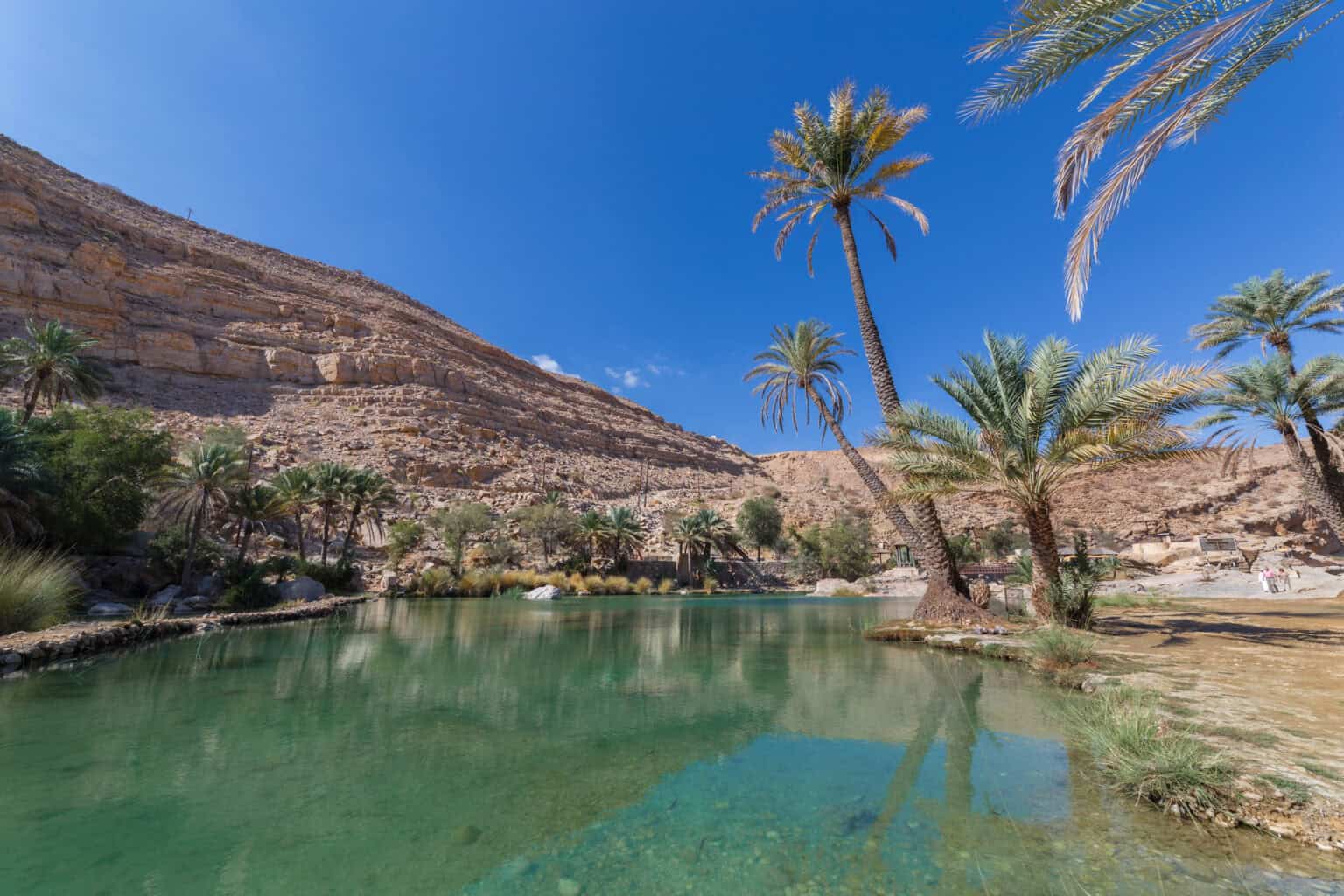
Ideal for wadi-focused adventures. This is the time of year when the air is starting to cool a little, but the water, warmed by the long summer, is the perfect temperature for swimming and exploring these hidden oases.
The October/November period is the season when I feel Oman starting to soften again. October is still warm, but the edge of summer has eased, especially in the mornings and evenings. This is the time I return to the wadis. The water has been warmed all summer and feels almost silky when you slip in, while the air above is just cool enough to make swimming deeply satisfying rather than shocking.
In October, some of my favourite places to swim come back into play. Wadi Shab is beautiful at this time of year, with warm pools and that moment of cool shade as you move between the cliffs. Wadi Bani Khalid feels especially inviting in November — easy to access, calm, and perfect for an unhurried swim.
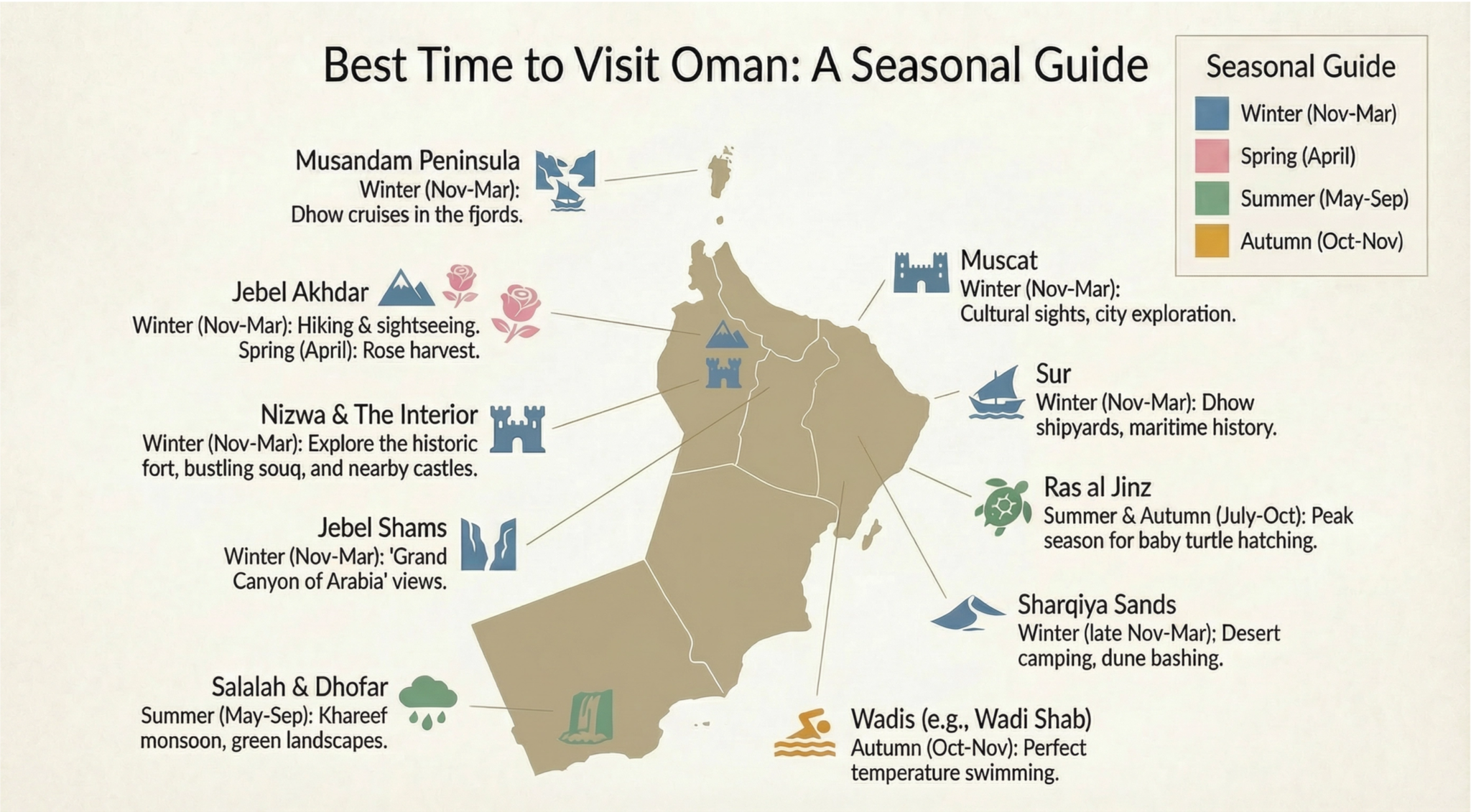
Now that you have a sense of how Oman’s seasons unfold, it’s time to look a little closer. From my years of living and helping people find their way around the country, I’ve learned that each month has its own character and its own secrets to share.
In the month-by-month guide below, I’ll share what each month actually feels like on the ground. We’ll go beyond just the weather, covering the important cultural events and festivals to look out for, and my honest recommendations for where to focus your energy to have the most rewarding and immersive experience possible.’
December in Oman is pure bliss! While much of the world is bundling up against the cold, Oman is enjoying what I can only describe as perfect weather. The oppressive humidity of summer is a distant memory, replaced by endless days of clear blue skies and a gentle, warming sun. In Muscat, daytime temperatures hover around a comfortable 25°C (77°F), ideal for exploring the souqs without breaking a sweat. In the mountains, the air is even crisper, and you’ll want a light jacket for the chilly, star-filled evenings. This is the weather Omanis have been waiting for, and it’s this collective sigh of relief that brings the country to life.
This perfect evening weather is what makes outdoor events part of everyday life again, and the Suhar Festival in North Al Batinah is a good example of that shift. Usually starting in the final week of December, it’s a large regional festival built around light displays, music, and food, and it draws people from across the country. You don’t rush through it — you wander, stop, eat, listen, and move on again. Families stay out late, teenagers gather in groups, and the whole place feels relaxed and social rather than programmed. If your route takes you up the coast, it’s well worth a stop to see how winter evenings are actually lived beyond Muscat.
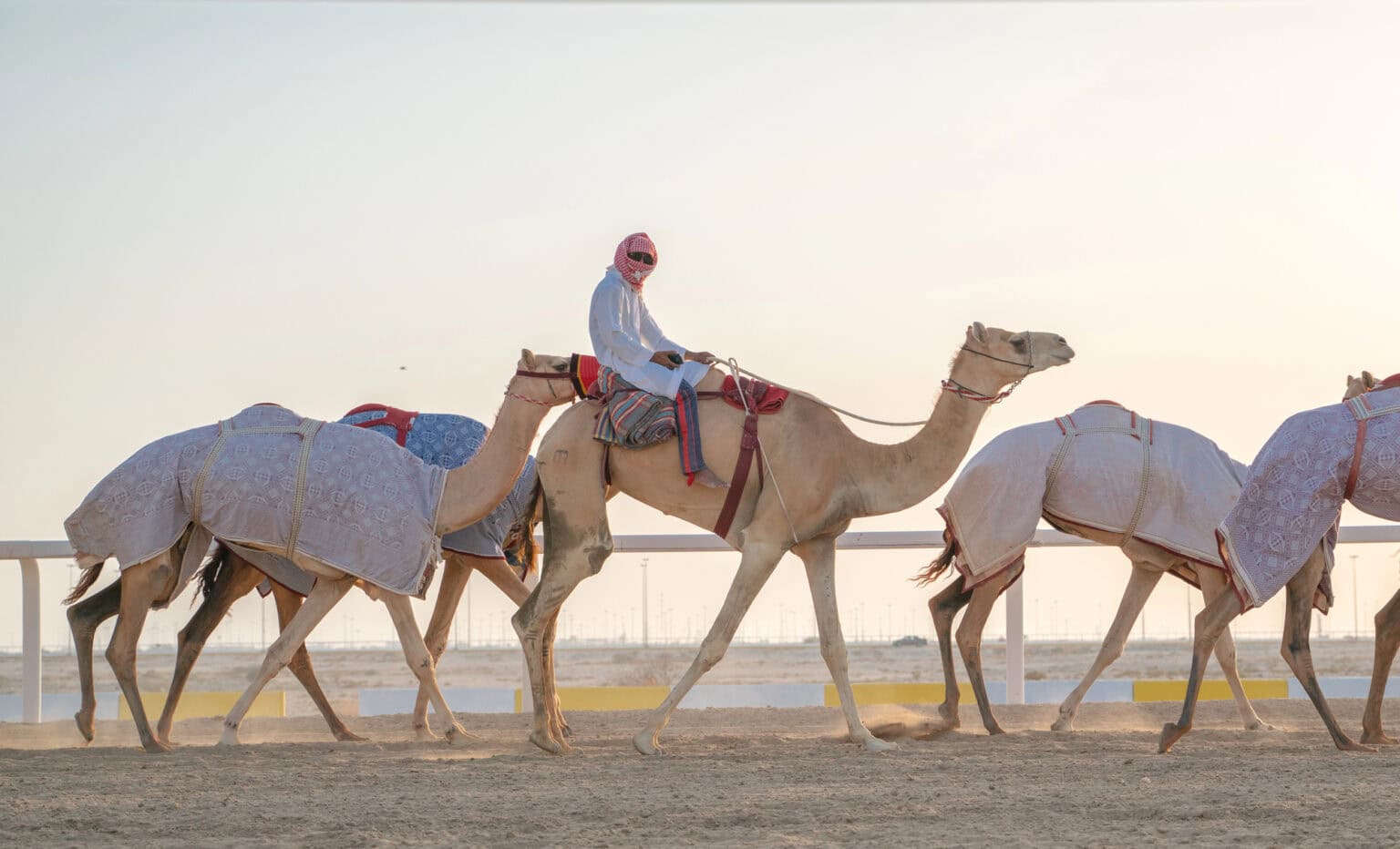
December also sits right in the middle of the camel racing season, which runs from September through March. By this point, races are a regular feature of weekend life at regional tracks, particularly in Al Batinah, Ad Dakhiliyah, and Ash Sharqiyah. Camel racing here isn’t staged for visitors — it’s a competitive sport with strong local followings. If you happen to be nearby, stopping by a race offers a glimpse into a living tradition that’s very much part of contemporary Omani life.
Beyond specific events, December is when Muscat becomes fully walkable again. Mutrah Corniche is busy in the evenings, cafés and restaurants fill up, pop-up markets appear, and outdoor food events start to feel normal again. Along the coast, you may also come across traditional dhow or boat races, which tend to take place more frequently once the cooler weather settles in.
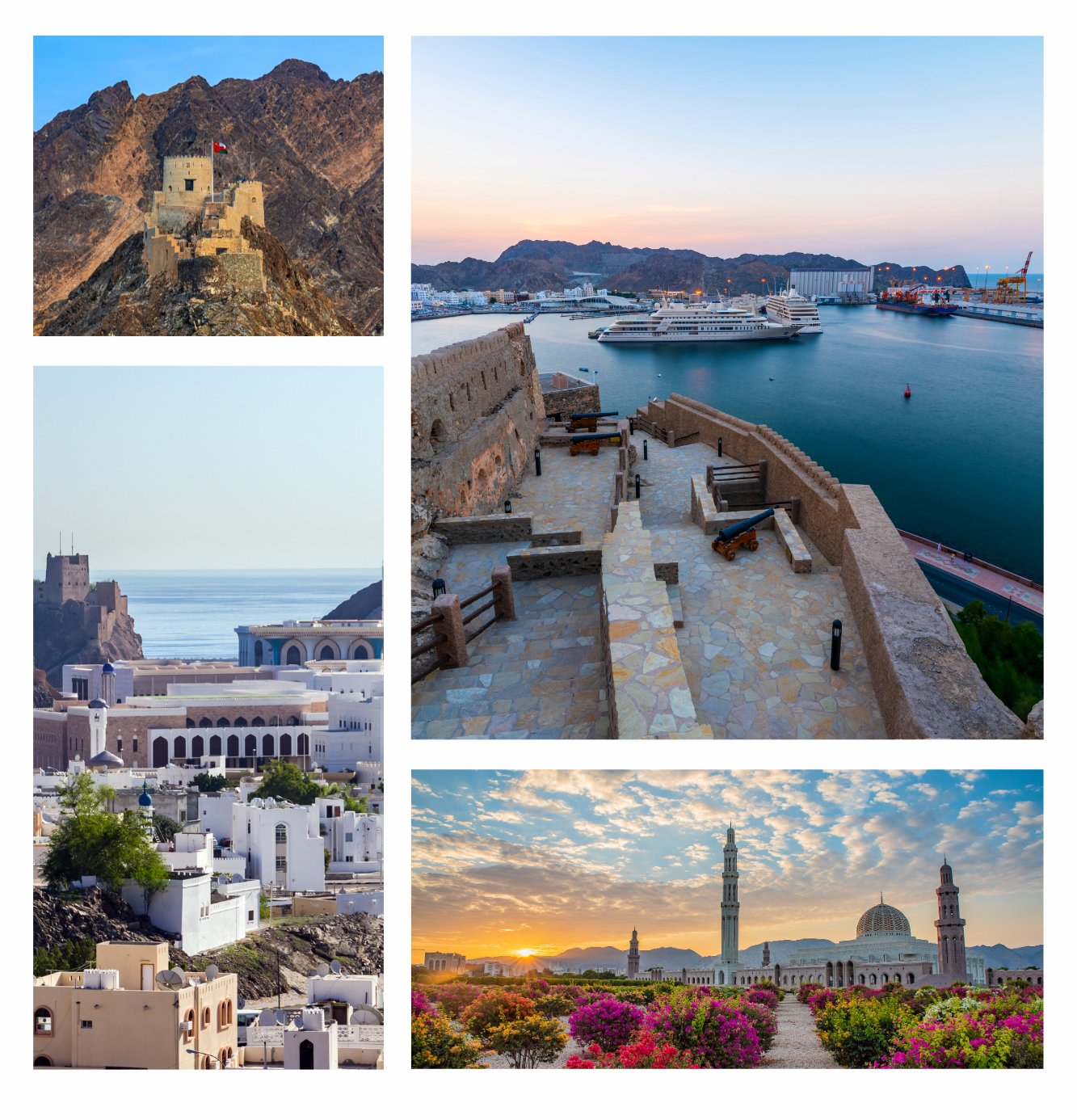
January is the absolute heart of winter in Oman. The weather continues to be as close to perfect as it gets. The air in Muscat is dry and comfortably warm, with daytime temperatures consistently around 24°C (75°F), making it ideal for full days of exploration. In the mountains, the days remain crisp and sunny, while the nights are properly cold, demanding a warm fleece or jacket. This is peak season for a reason—the entire country is accessible and at its most pleasant, but this also means you can expect more visitors at popular sites.
This peak season energy is best captured by the Muscat Festival (often branded as Muscat Nights), which transforms the capital into a month-long celebration. It’s a massive, city-wide event with something happening everywhere you look. Major parks like Al Naseem and Qurum Natural Park become heritage villages with traditional food and craft demonstrations, while venues across the city host dazzling light shows, live concerts, and family-friendly entertainment.
For those seeking a more focused and contemporary cultural experience, January often hosts Oman Design Week. This offers a curated program of design exhibitions, art installations, and creative workshops. It provides a fascinating look into the modern creative scene in Oman and is a wonderful way to engage with the country’s forward-thinking artists and designers.

February continues the beautiful winter weather, with sunny days and cool, pleasant evenings perfect for exploring. However, this year, in 2026, the month takes on a completely different rhythm as it coincides with Ramadan. For me, this is one of the most special and insightful times to be in Oman, but it is important to know what to expect.
During the day, the pace changes. I plan more simply, keep things low-key, and stay aware of the fact that most people around me are fasting. Eating and drinking in public stops from sunrise to sunset, and cafés/restaurants close, which means adjusting how you move through the day. But this small shift in routine opens up something else entirely.
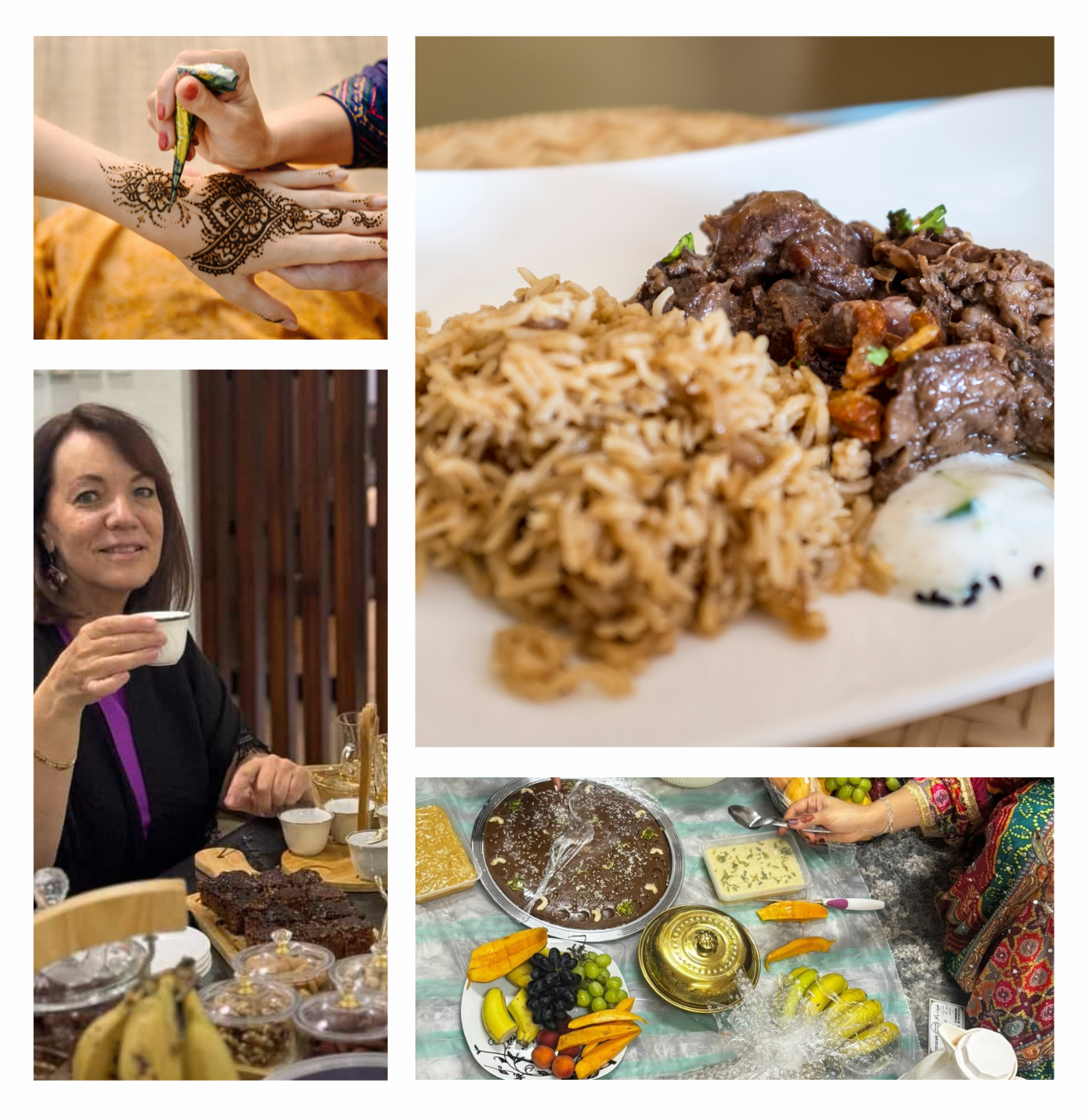
After sunset, the atmosphere transforms. People go out for Iftar (dinner when people break their fast) and the souqs become lively again. You may even be invited to share in a meal — an experience that offers a glimpse into the true heart of Omani culture.
For more information about visiting Oman during Ramadan, see my guide.
March is when I start to feel winter loosening its grip. In Muscat, the days get warmer and a little more humid, and the clear winter skies begin to soften. I still enjoy moving around the country at this time, but it’s no longer effortless — hikes need earlier starts, and outdoor plans take a bit more thought than they did a month or two earlier.
This year, March is also touched by the most significant celebration in the Islamic calendar: Eid al-Fitr, marking the end of Ramadan.
That brings a very different energy. Travel needs a bit more planning — hotels fill up quickly and roads can be busy as families head off to celebrate together. But culturally, it’s a fascinating time to be here. On the first morning of Eid, families gather for a special breakfast, often centred around orsiyaa, a slow-cooked rice and meat dish. In smaller towns and villages, you may also see preparations for shuwa, where a whole lamb or goat is wrapped, spiced, and cooked underground over one or two days before being shared.
Even witnessing these traditions from the sidelines gives you a real sense of how deeply food, family, and community are woven into life here.
April is when the shift into summer becomes impossible to ignore. In Muscat and along the coast, the heat starts to build quickly, and the days can feel heavy.
Up on Jebel Akhdar, the difference is immediate. The temperatures are noticeably cooler, the air feels lighter, and the landscape changes completely. April is the rose harvest season here, and for a few short weeks the mountain terraces fill with blooming Damascus roses, grown on steep slopes fed by traditional falaj irrigation systems.
This is also when rosewater is distilled locally, using methods that have been passed down for generations. You can see the process up close, smell it as it happens, and understand why this small harvest matters so much to the communities who live here.
Because of that, I see April less as a month for covering lots of ground, and more as the right time for a focused trip. If you’re curious about agricultural traditions, mountain life, or seeing one specific moment in Oman at its peak, April — and Jebel Akhdar in particular — makes a lot of sense. You can also still enjoy hiking in nearby Jebel Shams with its incredible canyons.
Video title: Oman Rose Harvesting in Jabal Akhdar
Channel name: Dream Team Travels
Source: https://www.youtube.com/@DreamTeamTravels
Video link: https://www.youtube.com/watch?v=4_P6NGW-Wd4
There’s no getting around it: May is starting to get hot. This is when summer really arrives in the north, and outdoor sightseeing becomes hard work rather than a pleasure. In places like Muscat and across much of the interior, life naturally slows down, and this isn’t a month I’d recommend for a wide-ranging trip around the country.
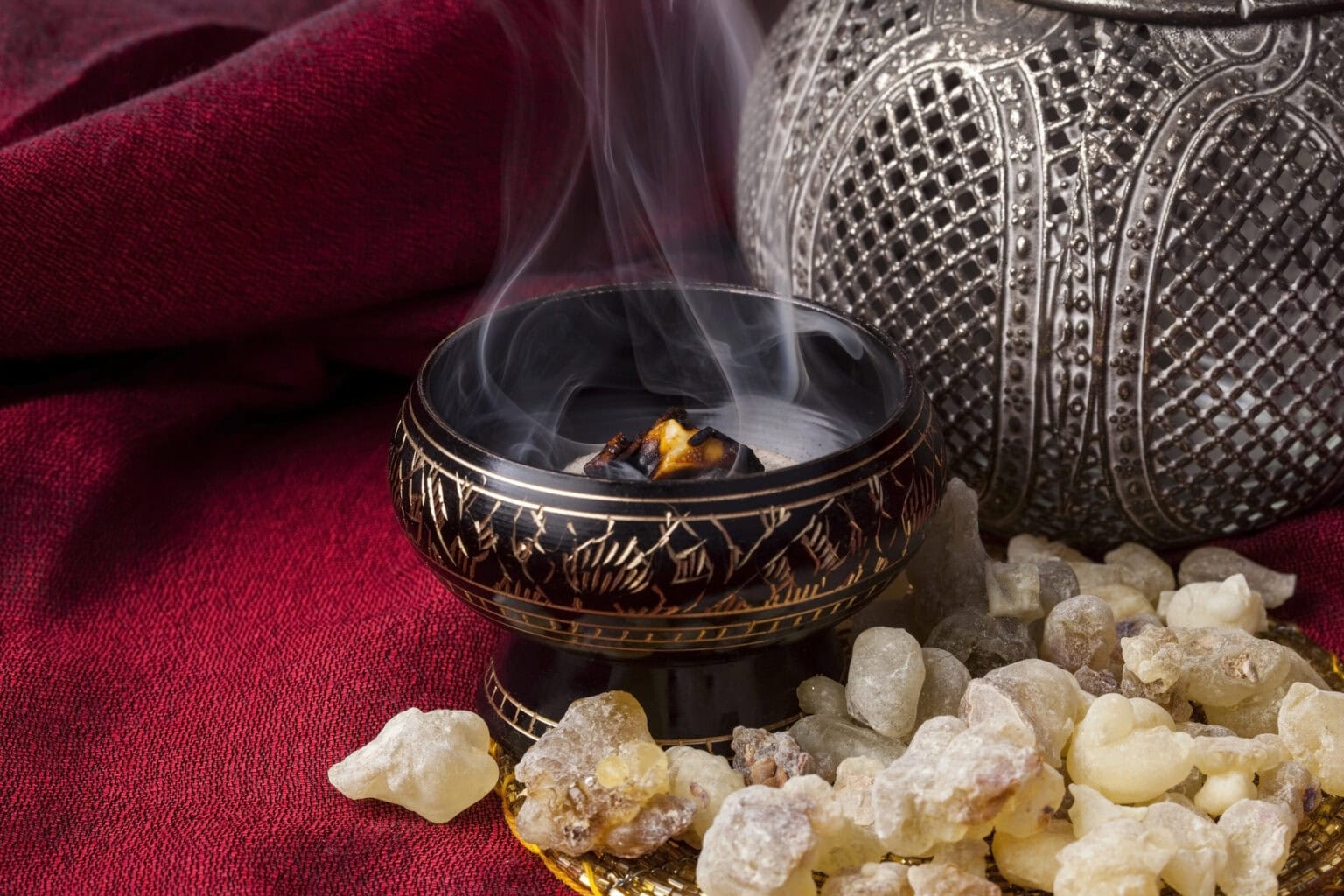
That said, May has one very particular exception — and it’s in the south. In Dhofar, the weeks before the monsoon create the right conditions for the frankincense harvest. This is when harvesters carefully cut into the bark of Boswellia sacra trees, allowing the resin to seep out and harden into the pale, fragrant tears that have shaped this region’s history for thousands of years.
Seeing this process in real life puts the story of frankincense into perspective. It’s hands-on, seasonal, and still very much part of everyday work in the region. For travellers interested in ancient trade routes, living traditions, and the quieter realities behind a famous export, this is one of the most meaningful moments to be in Dhofar.
My advice for May is therefore quite specific. If frankincense and its cultural legacy genuinely interest you, a focused trip to southern Oman can be deeply rewarding.
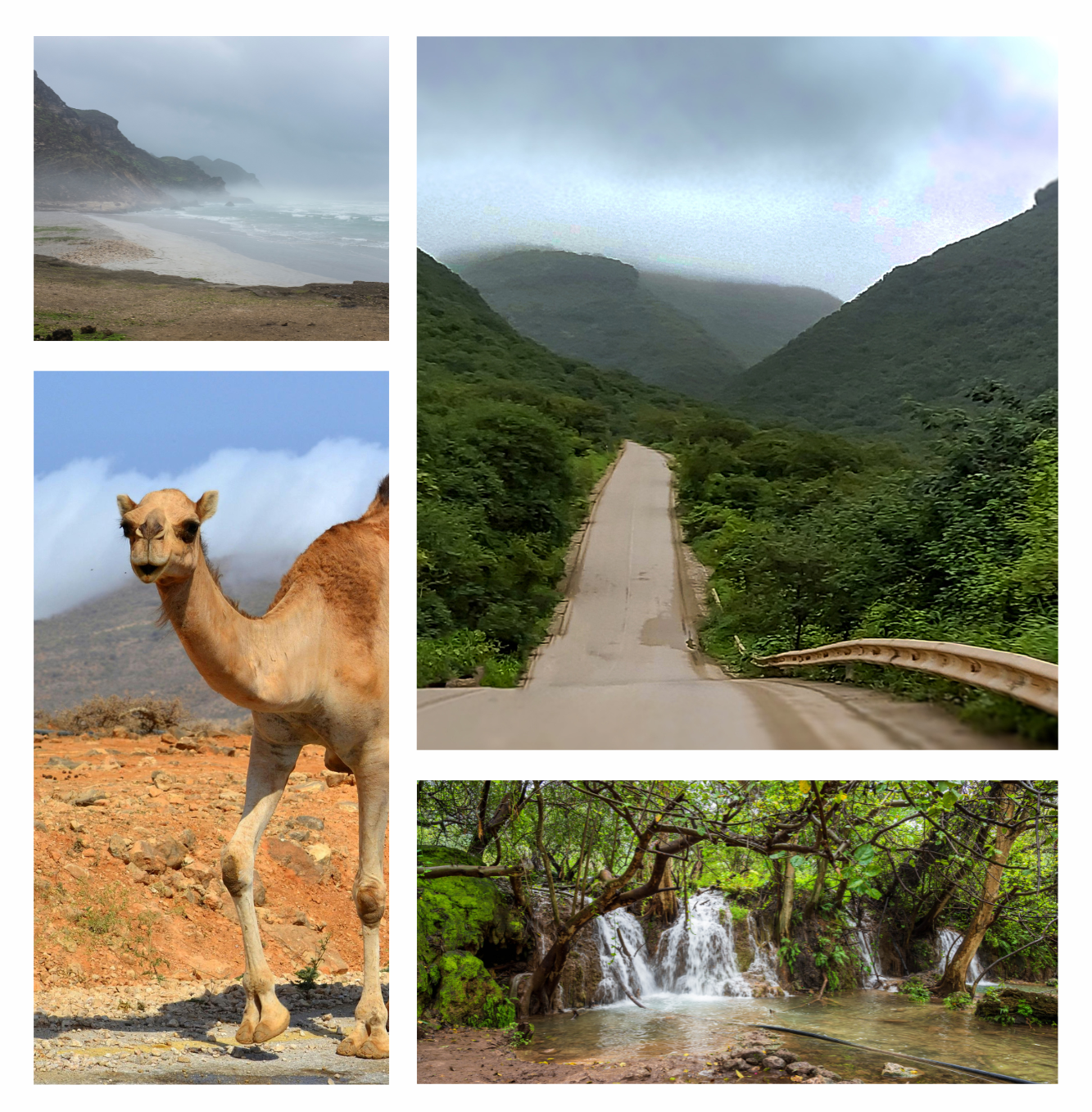
June marks the start of the Khareef season in the south, around Salalah. From about 21 June onward, the monsoon winds begin to reshape the landscape. Mist, cooler air, and greenery slowly replace the stark summer heat, and places like Wadi Darbat, beachside plains, and mountain vistas become noticeably more comfortable and scenic.
The start of Khareef isn’t just about weather — it’s when local rhythms change, communities gather in new ways, and activities around food, nature, and tradition start to feel meaningful rather than oppressive.
The season runs right through the summer, and early June gives you a front-row seat at its beginning.
My advice for June is this: think regionally. In the north, plan mostly early mornings, indoor museums, souqs in shaded hours, and cooling retreats; in the south, you can lean into the beginning of Khareef with nature walks, cultural markets, and seasonal atmosphere that other parts of the country aren’t offering right now.
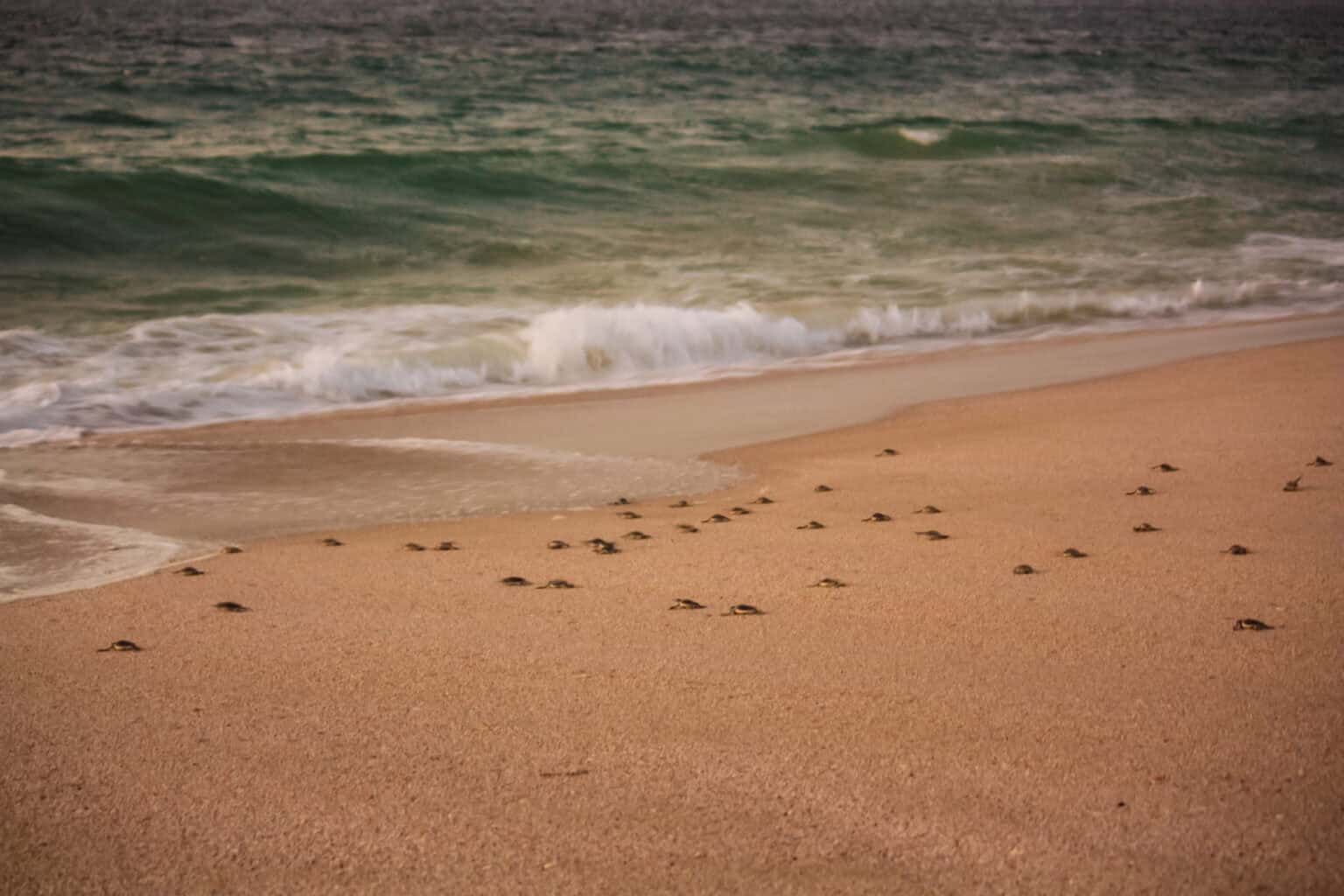
July and August are the peak months of summer, and in the north, the heat is intense (sometimes reaching 48 or 49 degrees!). But after years of living here, I’ve learned that summer has its own quiet advantages—fewer crowds, lower prices, and some surprisingly cool experiences if you know where to look.
While the north is hibernating, the south is celebrating. The Khareef monsoon in Salalah is in full swing, transforming the entire region into a misty, green paradise. This is where everyone flocks, and for good reason. So, beware! If you are planning on visiting Dhofar during this time, make sure you book ahead.
Having said that, these months are also the chance to see the turtle nesting and the incredible baby-turtle hatching season in Ras al Jinz.
Further north, I love exploring the magnificent, air-conditioned halls of the National Museum in Muscat or the Oman Across Ages Museum, followed by a well-deserved scoop of local ice cream.
September in Oman is a month of transition. In the north and interior, summer heat remains very much present. At the same time, you start to feel a hint of change in the coastal breezes and in the timing of light, especially toward the end of the month.
If your heart is on nature and gentle exploration, start in Dhofar while the khareef comes to an end — especially early in the month — and let that be the first focal point of your trip.
You can then move north and cover Muscat and historic forts. Plan your days around cooler windows and embrace indoor heritage spaces when the sun is high.
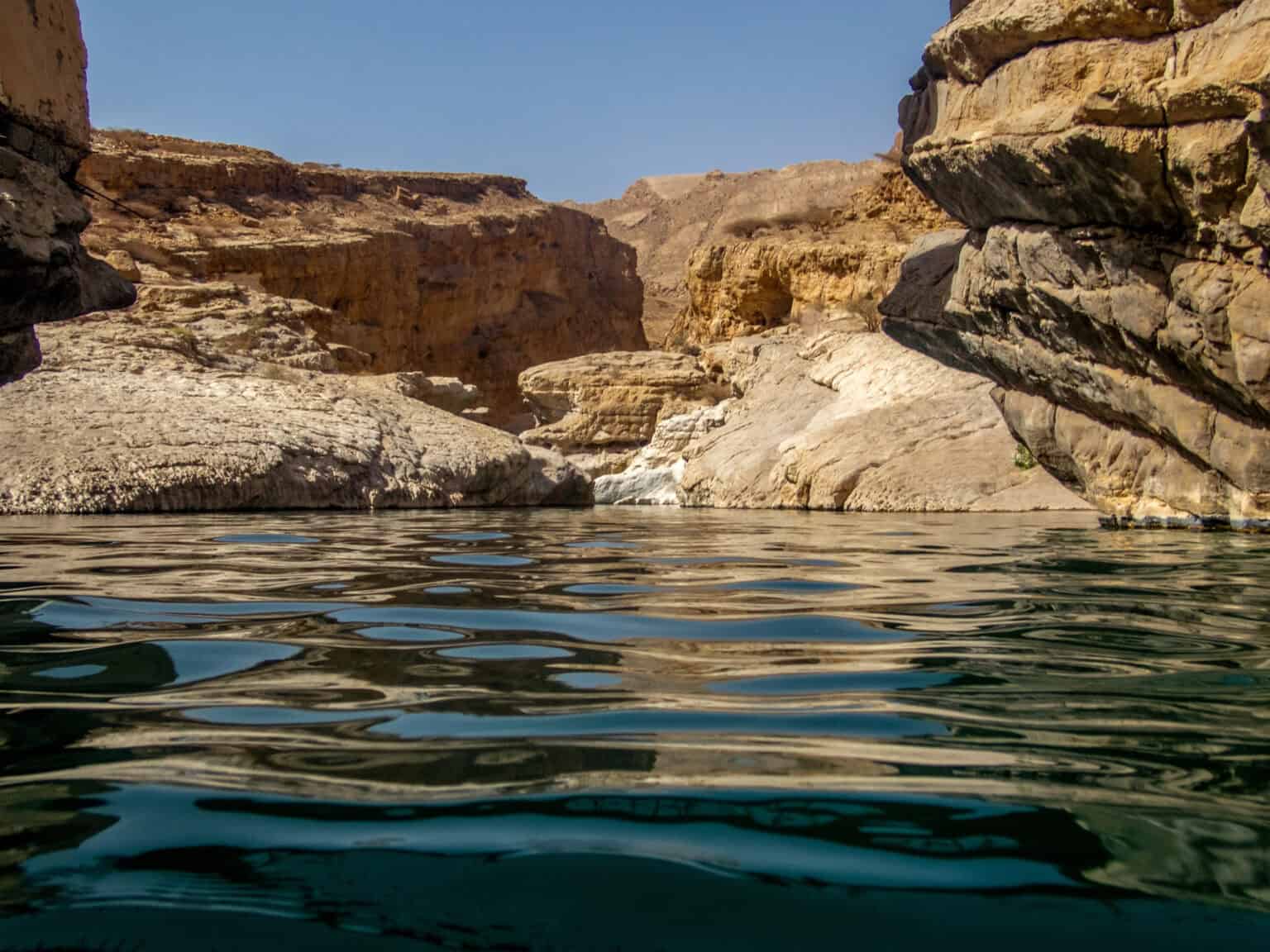
For me, these two months are the ‘golden season’ in Oman. The long, hot summer is finally a memory, and the country exhales into a period of cooler weather.
. It’s also the absolute best time for one of my favourite Omani experiences: wadi swimming in places like Wadi Bani Khalid or Wadi Shab. The water in the rock pools is still beautifully warm from the summer sun, but the air is now a little cooler and refreshing, creating a magical contrast.
In November, the entire country comes alive with a sense of celebration for National Day on November 18th. You will see the Omani flag everywhere, and the cities are adorned with lights. The day itself is marked with fireworks and parades, and there is a wonderful, patriotic buzz in the air. It’s a fantastic time to be here and witness the country’s pride.
Ultimately, Oman has a unique story to tell in every month of the year. My best advice is to choose the season that speaks to your own travel style and interests.
Packing for Oman is all about respecting the season and the culture. In the winter (November-March), you’ll want light layers for the day and a warm fleece or jacket for the cool desert and mountain evenings. For the summer, think light, breathable fabrics like linen and cotton. Regardless of the season, it’s always wise to pack modest clothing (covering shoulders and knees) for visiting mosques and respecting local culture. For a complete checklist, see my detailed guide on what to pack for a trip to Oman.
Absolutely! The shoulder seasons are my secret recommendation for specific experiences. April is the only time to witness the magical rose harvest on Jebel Akhdar, while October offers the unique pleasure of swimming in wadis where the water has been beautifully warmed by the summer sun. While the weather is hotter than in peak season, these months offer unique cultural and natural encounters with fewer crowds.
This is a crucial point: the Khareef monsoon only affects the southern region of Dhofar (around Salalah). While the south is cool and misty from June to September, the rest of Oman, including Muscat, Nizwa, and the deserts, is experiencing the peak of summer heat and humidity. It is not a time I’d recommend for a first-time road trip across the north.
The cheapest time to visit Oman is during the summer low season, from roughly May to September (excluding the Khareef in Salalah, which is a very popular regional destination with Omanis and residents of the Gulf Region). During these months, flight and hotel prices are at their lowest. However, you must be prepared for extreme heat, which will limit daytime outdoor activities. For a balance of good value and pleasant weather, consider the shoulder months of April and October.
Oman is a wonderfully safe and welcoming country for solo female travellers year-round. However, for the most comfortable and rewarding experience, I would recommend the winter high season (November to March). The perfect weather makes driving and exploring effortless, and the abundance of cultural events and open-air activities provides many easy and safe opportunities for interaction and enjoyment.
If you have just one week, I would strongly recommend visiting between December and February. This window gives you the absolute best chance of perfect weather across the entire country. You can confidently plan a classic road trip that includes the mountains, the desert, and the coast without worrying about excessive heat or unpredictable weather, ensuring you make the most of every single day. To see my recommended 7-day itinerary, see my guide.

Hi, I’m Christine. I've lived and worked in Oman for five years, including time in Nizwa and Muscat where I have taught English to local students. This deep immersion in Omani communities shapes how I share my experiences with independent travellers. Every guide on Joussour to Oman is based on my own visits and interactions with Omani people.
4 responses