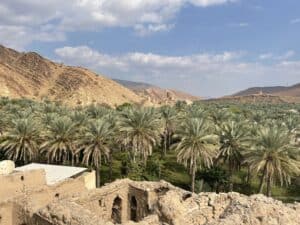

My aim is simple: to help you feel clear, organised, and confident before you arrive. I will also give you links to other blogposts I have written to help you prepare your trip. Let’s dive in!
Published in February, 2026
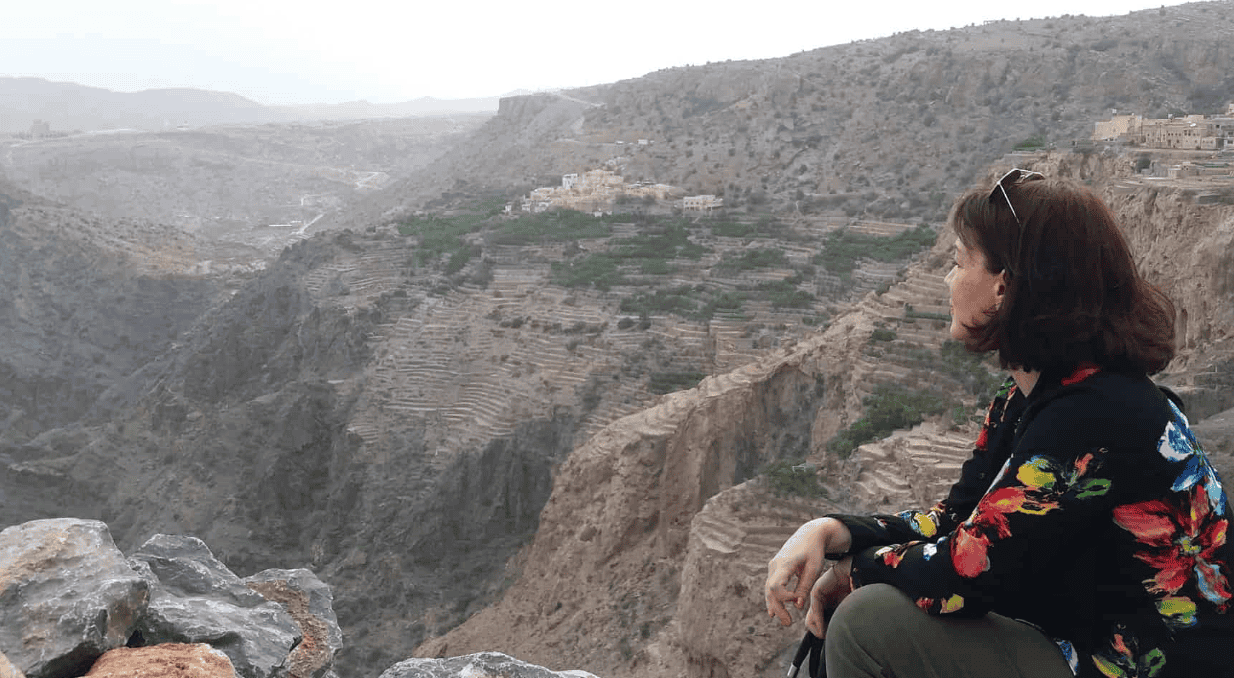
A few years ago, I landed in Oman for a ‘2 week project’ with absolutely no idea of what to expect. Although I subsequently learnt about the practicalities of living and travelling in Oman through trial and error, I think it would have helped to clear a few common misconceptions.
So, here are – in my experience – the most common doubts people have when considering a journey to Oman.
The Reality: This is definitely the number one doubt (let’s say the word – fear) that people have when considering a trip to any country in the Middle East. This is particularly true for solo female travellers.
Not only is Oman safe, but it is consistently ranked as one of the safest countries in the world. Whether you are driving through the mountains or walking through Muscat at night, the sense of security is profound.
My five years of living here have shown me a culture built on respect and hospitality towards tourists. I am still amazed that in Oman’s capital, Muscat, when in a cafe, I can go to the bathroom and leave my mobile on the table and my handbag on the chair…and find them untouched when I come back!
The Reality: Oman’s main roads are excellent and easy to navigate. But some landscapes — high mountain tracks or deep desert routes — do require experience, preparation, and local knowledge.
You don’t need to be a “survivalist” to explore these places. The key is choosing the right approach. For more demanding terrain, I often travel with an experienced local driver or an Omani friend who knows the area well. That choice isn’t a loss of independence — it’s what allows you to stay relaxed, safe, and fully present instead of focused on navigating every turn.
The Reality: While Arabic is at the heart of the culture, English is widely spoken, and local people will naturally speak with you in English. You’ll find that a smile and a few basic phrases (which I’ll share later) open doors to conversations and coffee invitations you never expected.
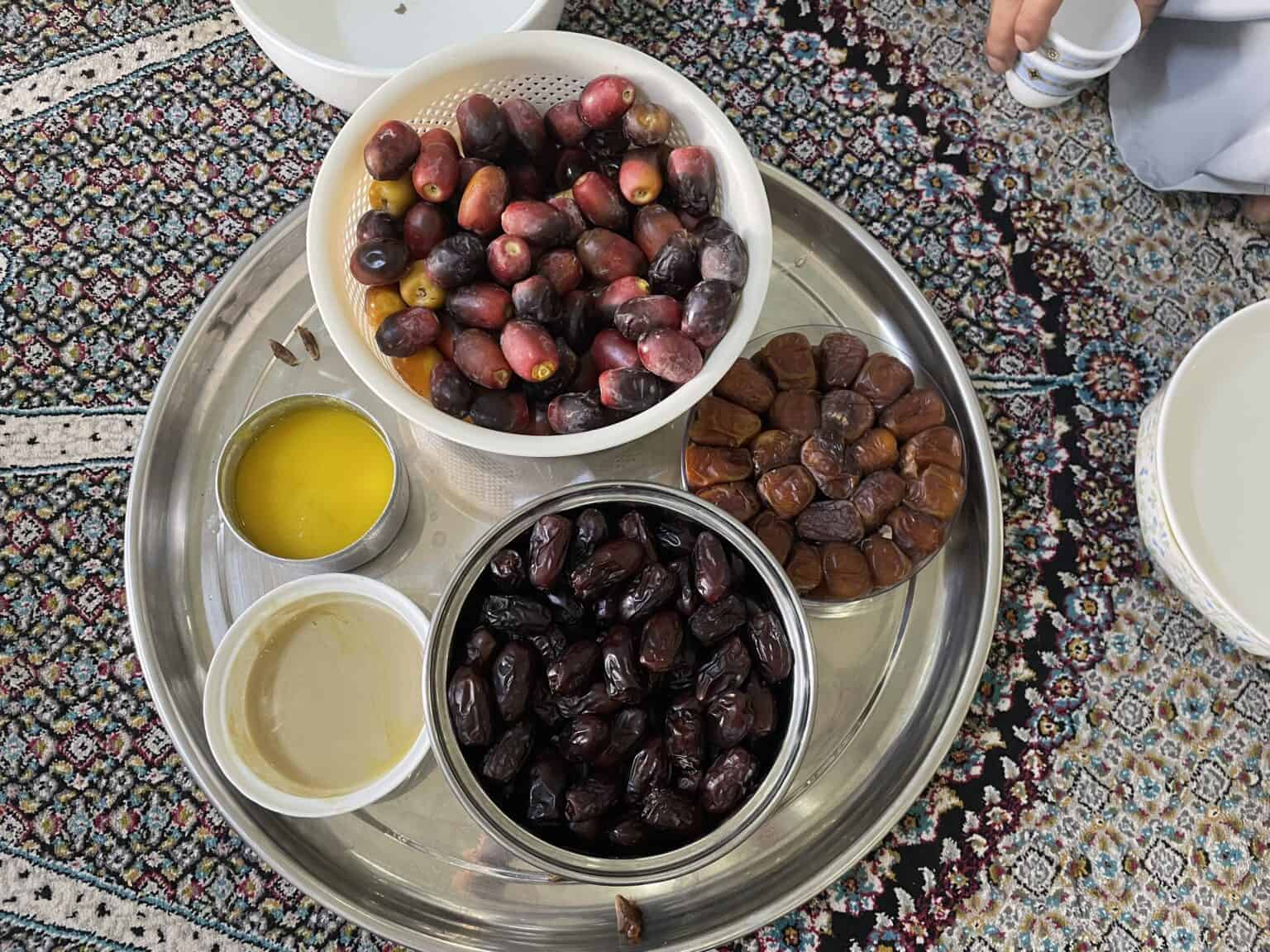
With those mental roadblocks out of the way, it’s time to get practical. Here are some answers to key questions to plan a memorable journey to Oman. I hope these will help you plan the trip of a lifetime.

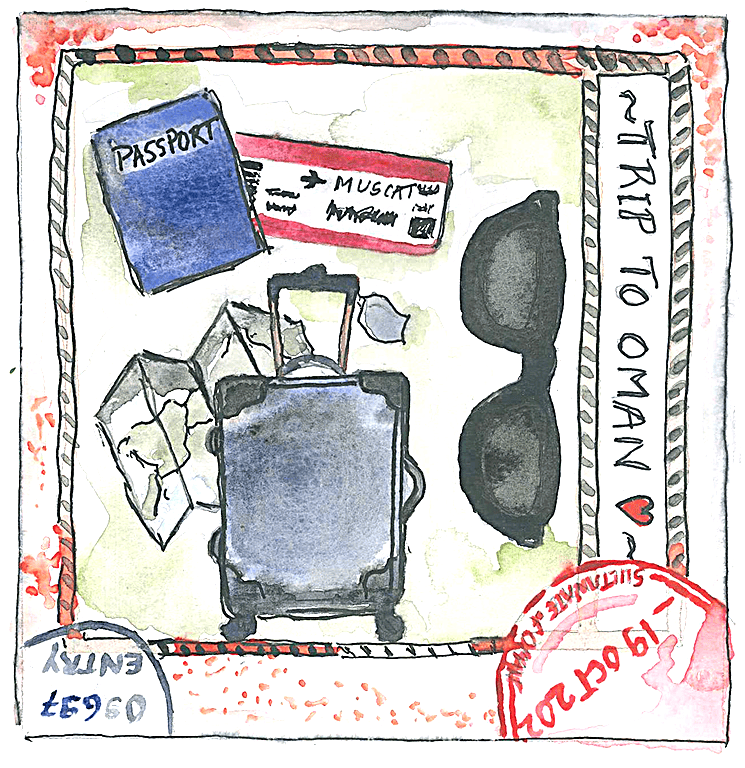
Before you do anything, make sure your travel documents are ready so you have no bad surprises upon entry. Here’s a general overview of what you need to know. Check the links for the latest information, starting with the official government’s website: www.fm.gov.om/visitors/entry-visas/
Good news if you’re planning independently: Oman offers 14-day visa-free entry for travellers from over 100 countries — including the US, UK, Canada, Australia, and most of Europe.
There’s also a useful exception worth knowing: travellers from certain countries — including India and Egypt — may still enter Oman without a visa if they already hold a valid visa or residence permit for places like the US, UK, Schengen area, Canada, Australia, or another GCC country. In some cases, GCC residents are also eligible based on their profession. It’s one of those details that can quietly make planning much easier if it applies to you.
You can check eligibility by country using the IATA travel centre: IATA’s global visa database
A passport with at least six months’ validity from your arrival date
A confirmed return or onward ticket, showing you’ll leave Oman within 14 days
A booked place to stay, such as a hotel or guesthouse
Valid travel health insurance covering your time in Oman
If you think you’ll want to stay in Oman for more than 14 days, this is one part you need to plan before you arrive. The free 14-day visa-free entry can’t be extended once you’re in the country. Instead, you’ll need to apply in advance for a paid 30-day (or longer) visa through the Royal Oman Police eVisa system.
That 30-day visa can usually be extended once — either online or at a SANAD office — for another 30 days, at a cost of around 20 OMR plus fees. For stays beyond that, the usual solution is to leave the country and re-enter on a new visa.
| Entry Type | Duration | Eligibility | Key Requirement |
|---|---|---|---|
| Visa-Free | 14 Days | 100+ Countries (US, UK, EU, etc.) | Confirmed hotel booking & insurance |
| Standard E-Visa | 30 Days | Most nationalities | Apply via ROP portal before arrival |
| GCC Resident | Varies | Based on profession/residency | Valid GCC residency permit |
Traveller’s Tip: make a photocopy of page 2 in your passport (the page with your photo) and bring it with you. You can carry this with you throughout your trip. You should also take a photo of this page and keep it on your phone.
HI, I’M CHRISTINE

I’ve been living in and exploring Oman for the past five years. I love coffee (probably too much!), dancing and watercolour painting. My passion? Helping others explore Oman and the Middle East beyond the stereotypes.


Important question! In general, the best time to visit Oman is winter (November to March) and the shoulder seasons (April–May or late September–October).
Oman is one of the hottest countries in the world. When planning, this should not be underestimated. It actually doesn’t follow the four-season pattern many travellers are used to. Instead, the year is shaped by a long hot period and a shorter, genuinely comfortable season.
That said, Oman doesn’t have one single “perfect” travel season. Conditions change noticeably between the coast, the mountains, the desert, and the south, and timing affects not just temperatures but what kind of journey you can have.
| Location | Jan | Feb | Mar | Apr | May | Jun | Jul | Aug | Sep | Oct | Nov | Dec |
|---|---|---|---|---|---|---|---|---|---|---|---|---|
| Muscat (°C) | 25 | 26 | 31 | 36 | 40 | 41 | 39 | 38 | 37 | 35 | 30 | 26 |
| Muscat (mm) | 25 | 25 | 10 | 0 | 0 | 0 | 0 | 0 | 0 | 0 | 0 | 10 |
| Salalah (°C) | 28 | 28 | 30 | 32 | 33 | 25 | 21 | 20 | 22 | 27 | 28 | 28 |
| Salalah (mm) | 0 | 0 | 0 | 0 | 0 | 150 | 250 | 200 | 100 | 10 | 5 | 0 |
| Jebel Akhdar (°C) | 17 | 18 | 20 | 23 | 28 | 32 | 30 | 29 | 27 | 23 | 19 | 17 |
| Jebel Akhdar (mm) | 7 | 14 | 7 | 7 | 7 | 0 | 7 | 7 | 0 | 0 | 0 | 0 |
| Nizwa (°C) | 23 | 24 | 29 | 34 | 39 | 41 | 39 | 38 | 36 | 32 | 26 | 23 |
| Nizwa (mm) | 7 | 7 | 7 | 7 | 0 | 0 | 0 | 0 | 0 | 0 | 0 | 0 |
OMAN IN WINTER (November to March)
Good for: Comfortable temperatures, outdoor exploration, and travelling widely across the country.
For most of Oman, I would definitely recommend for you to visit during the ‘winter’ season which starts in November and goes until end of March or April. The average temperature in Muscat in December is 23° and in January is 21° which are perfect if you want to do some hiking.
It’s the season when you can move through Oman without constantly negotiating the heat.
While higher mountain areas can feel chilly after sunset and the sea is cooler for swimming, travel is straightforward. Winter is also the busiest time of year, but it’s busy for a reason: this is when Oman offers the widest range of experiences with the least physical strain.
Despite the drier landscape, winter days are often clear and bright, making it an especially pleasant time for a Muscat stay or a multi-region itinerary.
OMAN IN SUMMER (June to September)
Good for: Salalah’s green season, quieter travel elsewhere, and slower-paced itineraries.
Summer — especially June to August — is Oman’s hottest and least visited season. Much of the country slows down as temperatures rise sharply inland and in the desert, making outdoor sightseeing difficult during the day. Cities like Muscat grow quieter as daily life shifts indoors and activities move to early mornings and evenings.
The major exception is Salalah and southern Dhofar, which come alive during the khareef (monsoon season). Mist, green hills, and seasonal waterfalls draw visitors from across the Gulf, and the region operates at full capacity during this period. Outside Dhofar, many travellers avoid summer altogether.
This is not the season for hiking or long road trips, but it can suit travellers who plan carefully and focus on culture, short outings, and rest. Accommodation prices are often lower and bookings easier outside Salalah, though travel in peak khareef weeks can be more expensive and require advance planning.
Want to explore more about what to expect, what you can do, and why each season matters?
Dive in deeper with the following posts:
When planning a trip to Oman, the next real decision is usually the duration. For most first-time visitors, around a week gives you an introduction to the country — it allows you to experience a few regions without turning the journey into a checklist. I’ve shared my recommended 7-day Oman itinerary as a practical base that many travellers find easy to adapt. The secret is to not try to do too much in too short a period. Oman rewards slow travel.
From there, you can add in extra days and choose activities depending on what draws you in most and how much time you have. Some people prioritise souqs, forts, and traditional villages; others are pulled toward wadis, mountain roads, desert landscapes, or long coastal drives. You might want quiet places to sketch, photograph, or journal — or more time in one location to slow down and settle in.
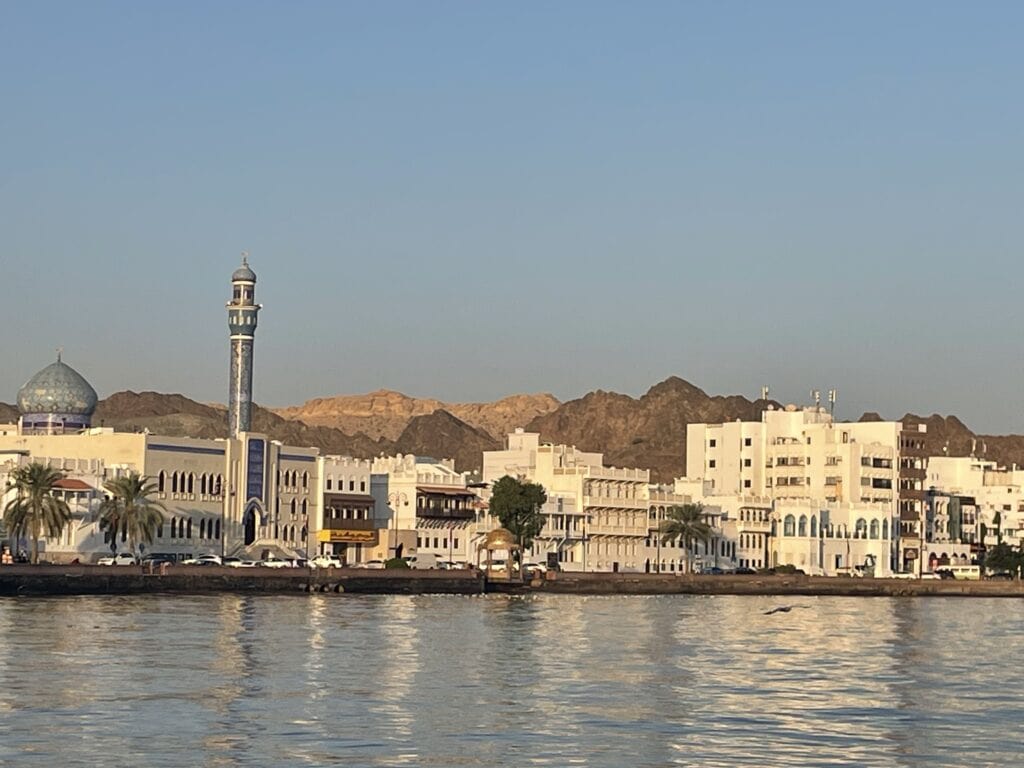
Muscat: Bait Al Zubair, Muttrah Souq & Corniche Walk

Muscat: Sultan Qaboos Grand Mosque, Alam Palace & Royal Opera House
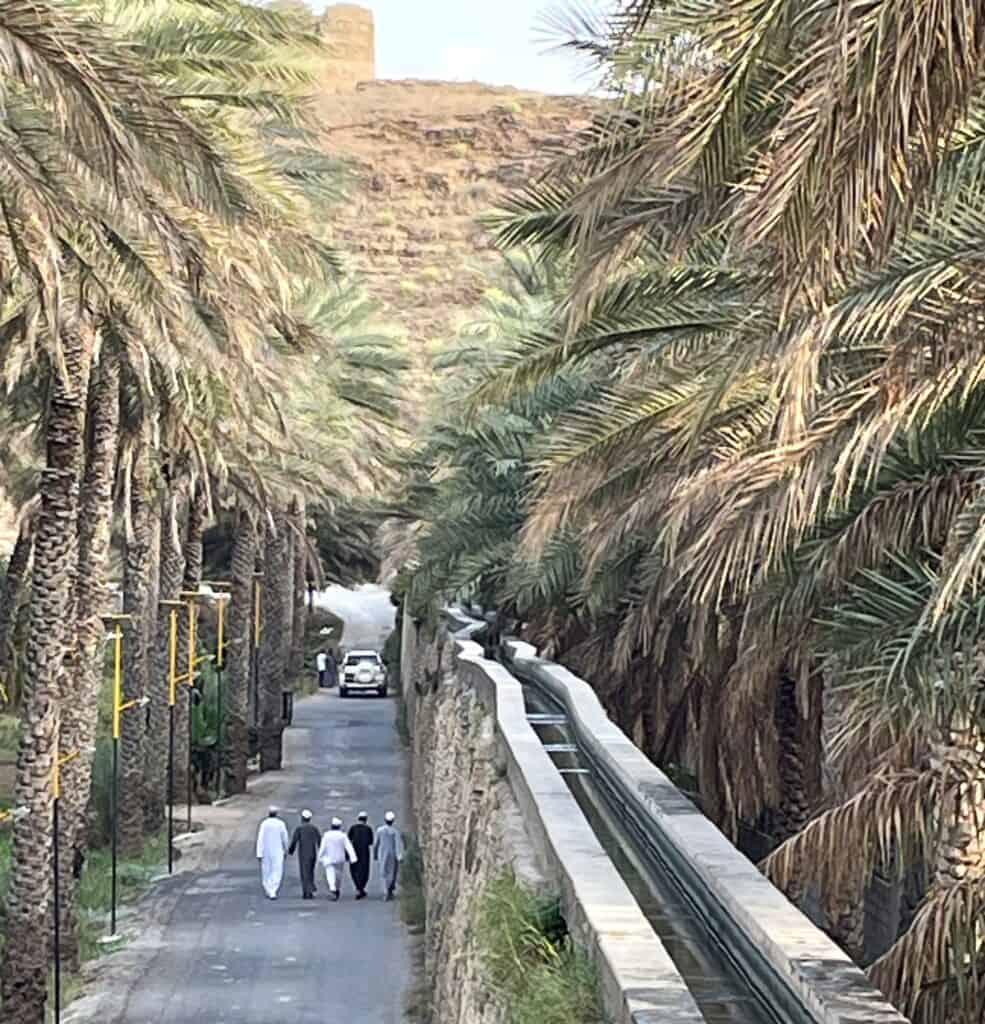
Nizwa & Surroundings: Birkat Al Mouz, Oman Across Ages Museum & Nizwa Fort

Nizwa & Mountain Villages: Nizwa Souq, Misfat Al Abriyeen & Jebel Akhdar
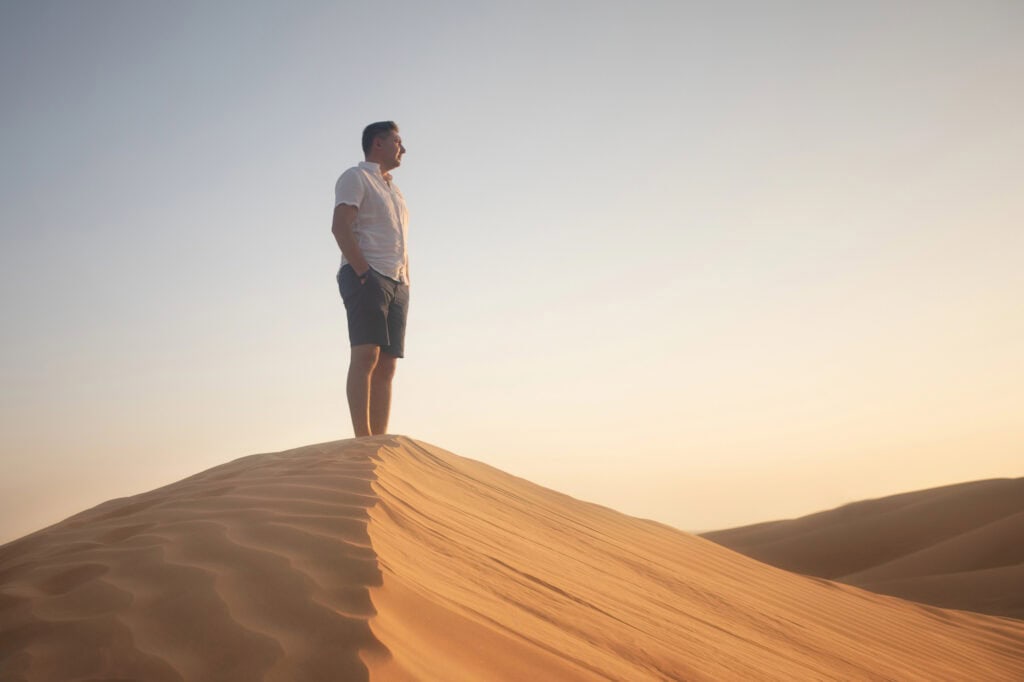
Wadis and the Desert:Wadi Bani Khalid and Wahiba Sands
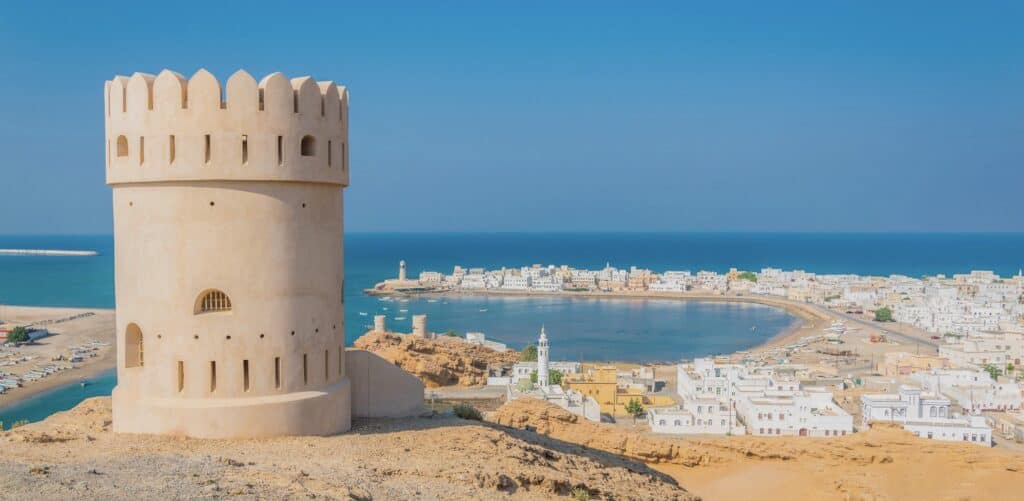
Sur: Shipbuilding & Coastal Discoveries at Ras Al Jinz

The Coastal Route: Bimmah Sinkhole & Scenic Return to Muscat
WHERE TO START YOUR TRIP IN OMAN
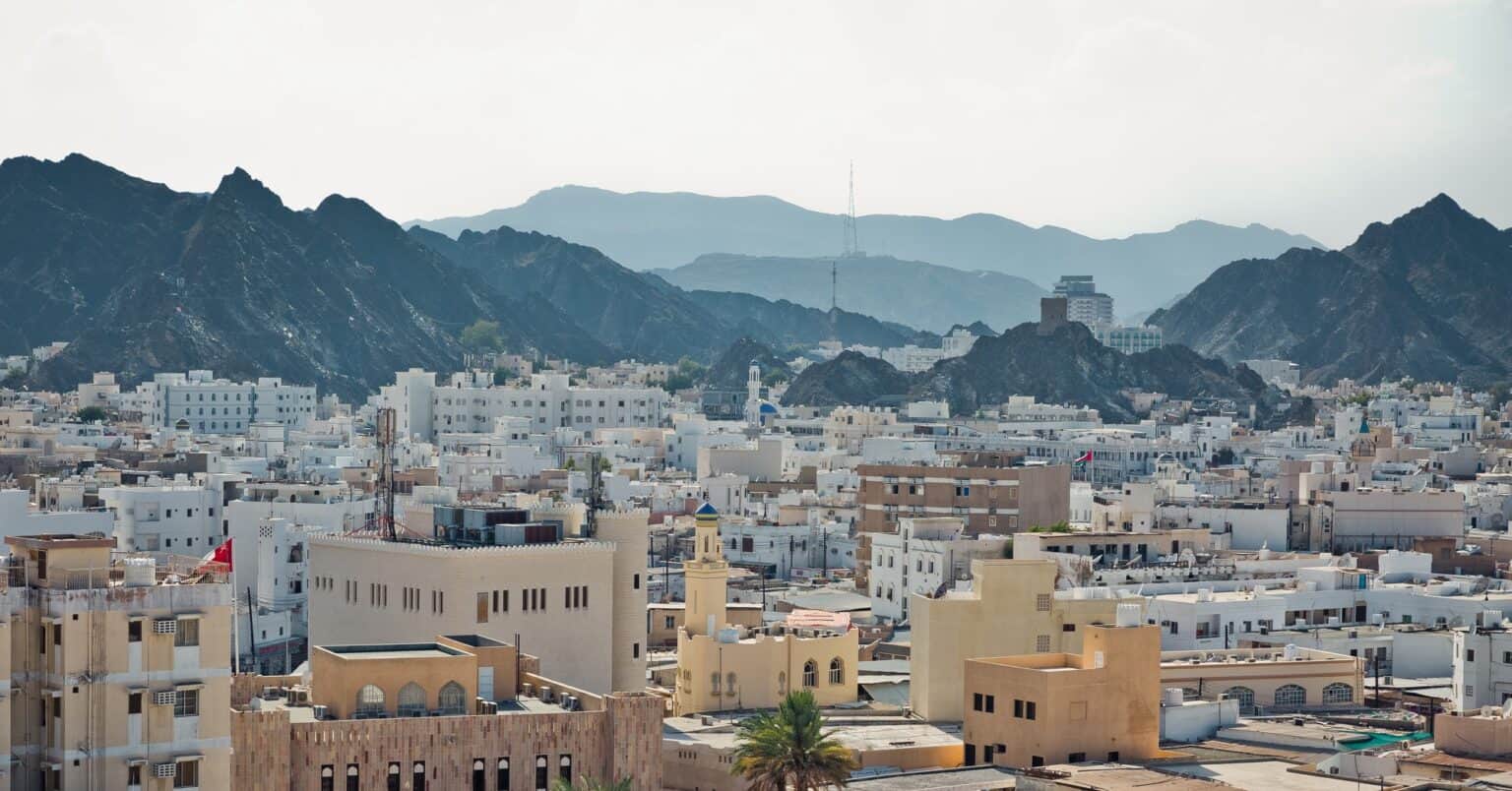
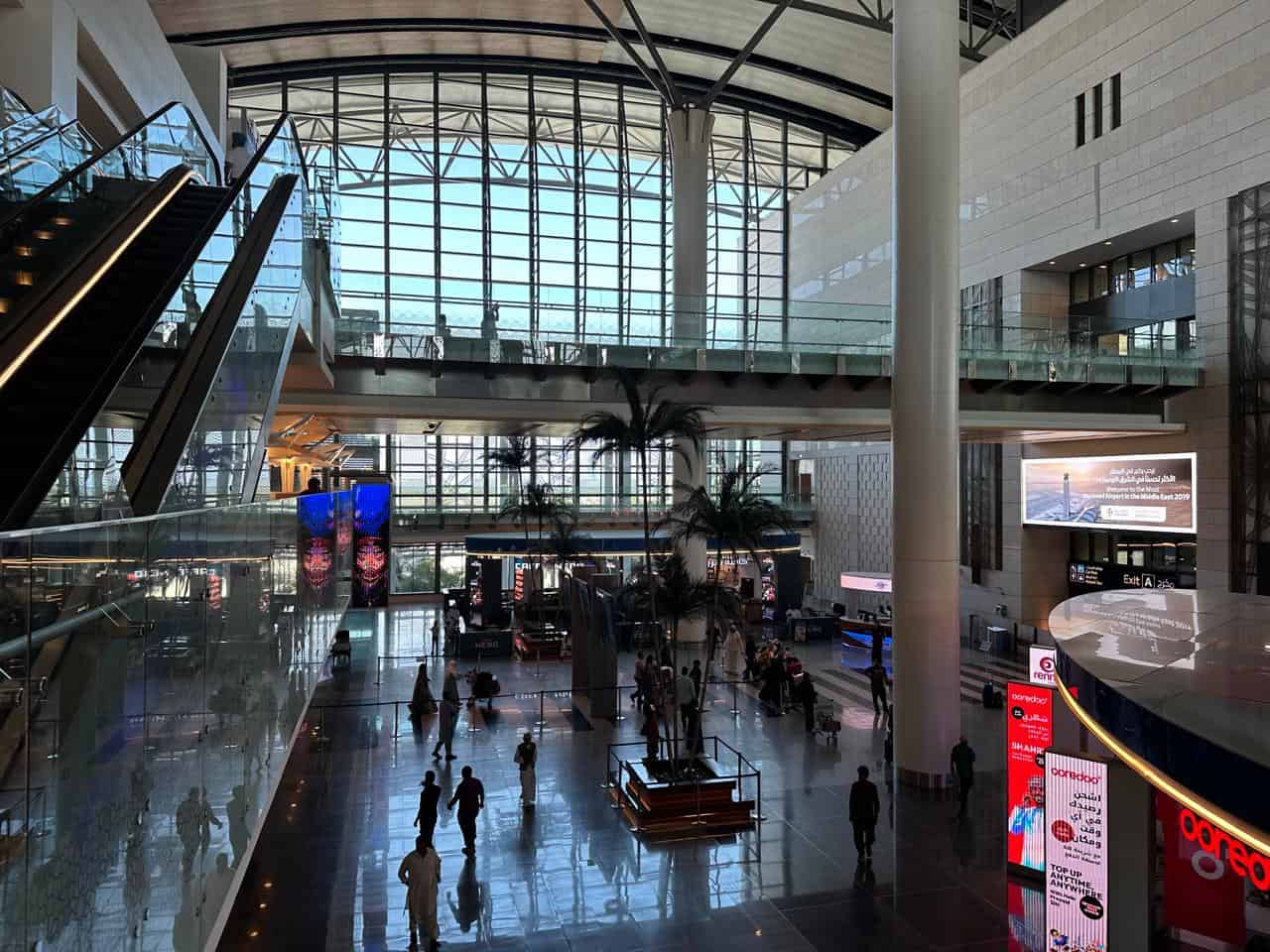
For most travellers, I recommend starting your journey in Muscat. It’s where the main international airport is, flights are easiest to find, and it gives you a gentle landing into the country. Muscat lets you get your bearings before hitting the road — picking up a rental car, adjusting to the climate, and easing into daily life without feeling overwhelmed. It also works brilliantly as a launch point for a road trip, whether you’re heading toward the mountains, the coast, or inland villages.
There are alternative starting points, and in some cases they make sense. If your main focus is the green season in the south, flying directly into Salalah during khareef (the monsoon season) can be a smart choice. A small number of travellers also enter Oman overland from Dubai or head straight toward desert regions, but these options tend to suit people who already know the country or have a very specific plan in mind. For a first visit, though, Muscat remains the most straightforward and flexible place to begin. Starting there keeps the logistics simple — and that simplicity gives you more space to enjoy what comes next.

| Expense Category | Budget Style | Mid-Range Style | Luxury Style | Notes |
|---|---|---|---|---|
| Accommodation (6 nights) | 180 OMR ($468) | 450 OMR ($1,170) | 1,500+ OMR ($3,900+) | Avg. 30/75/250+ OMR per night |
| Car Rental (7 days) | 140 OMR ($364) | 210 OMR ($546) | 350 OMR ($910) | Sedan vs. Mid-size 4x4 vs. Premium 4x4 |
| Fuel (approx. 1500 km) | 25 OMR ($65) | 35 OMR ($91) | 45 OMR ($117) | Includes a buffer for detours & city driving. |
| Food & Drink (7 days) | 100 OMR ($260) | 175 OMR ($455) | 420 OMR ($1,092) | Local cafes vs. hotel restaurants vs. fine dining. |
| Tours & Entrance Fees | 35 OMR ($91) | 40 OMR ($104) | 100 OMR ($260) | Covers all major sites in the itinerary. |
| TOTAL (per person) | ~480 OMR ($1,248) | ~910 OMR ($2,366) | ~2,415+ OMR ($6,279+) |
A Note on Flexibility: This is a framework, not a rule. One of the joys of independent travel is mixing and matching. You might choose to save on lunch at a local coffee shop (a delicious and authentic experience in itself) to put more of your budget towards a memorable night in a desert camp. The key is to know the general costs so you can make those choices confidently.

In Oman, your accommodation is not just a base between outings. It shapes how you experience the country. The right choice can place you inside a restored mud-brick house in a mountain village, a desert camp under a wide open sky, or a small guesthouse where breakfast is prepared in someone’s family kitchen.
I usually compare options on platforms like Booking.com, but I don’t just sort by price. I look carefully at location, local ownership, and reviews that mention hospitality, cleanliness, and atmosphere. In Oman, service tends to be personal rather than polished in a corporate way. You might be offered dates and coffee on arrival. Someone might sit down and explain where they are from. That human detail matters more than marble floors.
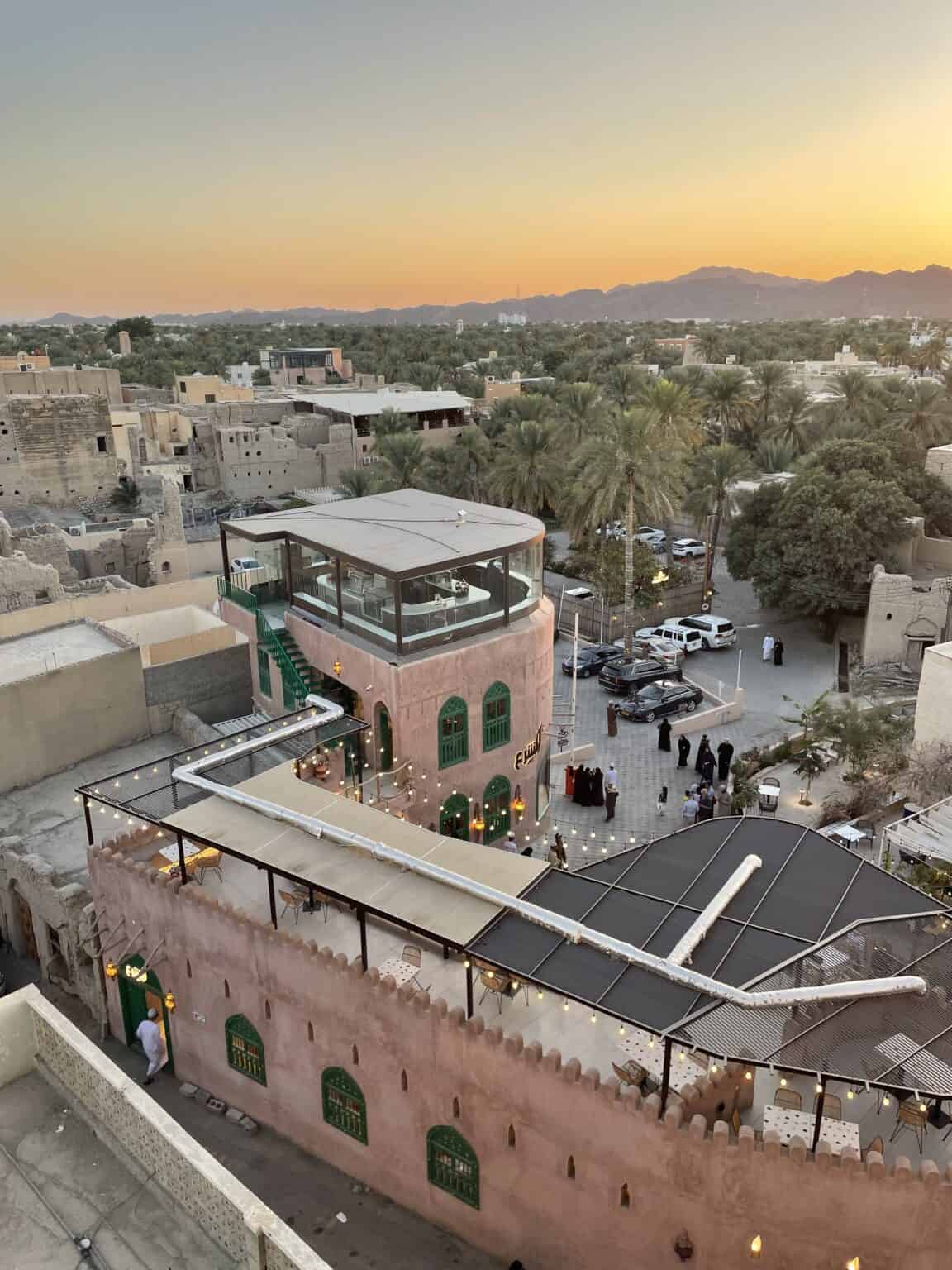
If you want a deeper cultural experience, try spending at least one night in a heritage guesthouse in places like Nizwa, Bahla, or Misfat Al Abriyeen. Many traditional homes have been restored with simple rooms, woven rugs, carved wooden doors, and rooftop terraces overlooking date palms. Staying in one gives you a sense of how Omani homes are structured and how villages are laid out. It’s a practical way of understanding architecture and daily life — not just reading about it.
For something completely different, consider a night in the desert in Wahiba Sands (also known as Sharqiya Sands). Camps range from simple Bedouin-style setups to more comfortable lodges with proper beds and private bathrooms. What matters most is the setting: watching the dunes change colour at sunset, walking away from camp to feel the scale of the landscape, and waking early to soft morning light over the sand.
If you prefer modern comfort, Muscat has reliable international and regional hotel chains, especially around Al Khuwair and Qurum. These are practical if you’re arriving late, renting a car, or adjusting to the climate. I often recommend starting or ending your trip in a comfortable city hotel before heading into the mountains or desert.
Wherever you stay, I suggest you take your time when deciding where you stay so that you experience Oman in its diversity. But for the best deals and to secure the best places, book early.
Check out my guide on ‘Where to Stay in Muscat in 2026’ for detailed information about accommodation in the capital.
Omani people tend to dress smartly. Even in everyday situations, clothes are expected to be clean, pressed, and well put together. So, if you want to bring along some elegant outfits, you’ll blend right in.
Having said that, it’s also important to think ‘comfortable’ seeing that you may do a fair bit of hiking in different environments – mountains, the desert, in wadis. If you opt for a meal in a traditional restaurant, you may also end up eating while sitting on the floor.
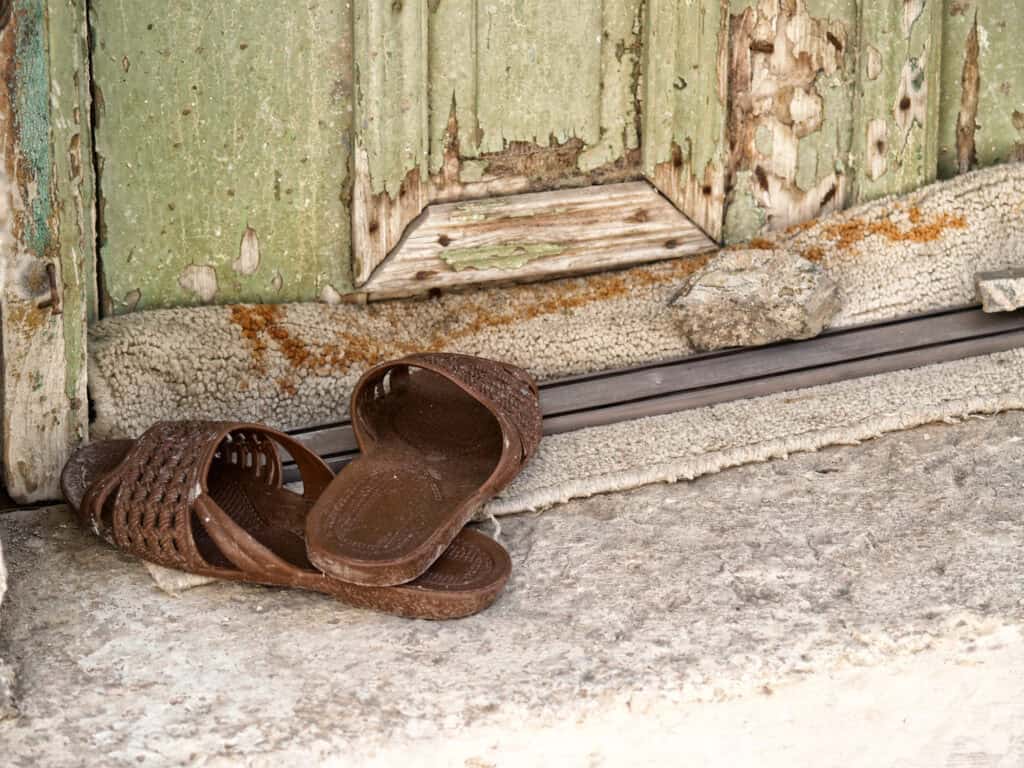
It is essential to take comfortable shoes with you (I would recommend 2 pairs of walking shoes). Loose linen or cotton trousers, long skirts, breathable shirts, and dresses with sleeves work well. You also may want to pack socks (without holes!) seeing that you’ll need to take off your shoes if you get invited to someone’s home.
Oman is a conservative country. Non-muslim women are not expected to cover their hair with a scarf (hijab) – except when visiting a mosque. But, to be culturally sensitive, I would avoid shorts and revealing tops. When swimming, it is best to wear a T-shirt over a swim suit.
Finally, if you decide to travel during winter months, you should take a light jacket with you for cool evenings in the mountains and the desert. And don’t forget a cardigan or thin sweater for air-conditioned malls and restaurants. For some reason, it seems to be a local habit to put the AC on ‘freezing’ as soon as the temperature rises outside.
Oman uses Type G electrical outlets (the three rectangular holes you’ll find in the UK). If your devices use different plugs, bring a universal adapter or a UK-style adapter — they’re inexpensive and widely available. Most hotels provide adapters if you ask, but it’s worth carrying your own. Voltage in Oman is 230V, which is compatible with most international devices, but always check your charger before plugging in.
I go into more detail about packing lists in my blogpost ‘What to Pack for Oman: The Ultimate Year-Round Packing List.’
Traveller’s Tip: Dressing respectfully in Oman isn’t about restriction — it’s about showing respect. I have found that when dressing modestly and smartly, locals respond with warmth and openness. Clothing choices directly affect the depth of cultural experiences.

Short answer?
If you’re an independent traveller who likes to follow your curiosity — yes.
Oman is a road trip country. It’s not a place where you move neatly from city to city by train (there are no trains in Oman). It’s a place where a highway suddenly opens onto a line of mountains, where a sign points to a village you’ve never heard of, where you pull over because the sunset has turned the rocks copper.
Public transport exists, but it won’t take you to the terraced villages of the Hajar Mountains, the wadis that open up beyond a narrow road, or the shifting sands of Wahiba Sands. A rental car gives you flexibility, space, and time — which in Oman matters more than speed.
Highways are in excellent condition and road signs are in both Arabic and in English – which makes it easy to navigate. The price of petrol is still very low compared to most countries.
Not necessarily.
A normal sedan is perfectly fine for:
Muscat
Nizwa
Sur
Most main highways
Many popular wadis with proper access roads
A 4×4 becomes relevant only if you want to drive yourself into high mountain areas with steep, rocky tracks (like parts of Jebel Akhdar) or deep into the desert.
And this is important:
Driving in the mountains here is not a cute scenic detour. Some roads are steep, narrow, and unpaved. Desert driving is a skill. It requires lowering tyre pressure, reading sand, and knowing what to do if you get stuck (a real possibility).
If you don’t have that experience, it’s often wiser (and honestly more relaxing) to:
Book a local driver for mountain or desert sections
Stay at a desert camp that arranges transfers
Join a guided 4×4 excursion
→ For more information, read my detailed guide on car rental in Oman and my other blogpost on driving rules & road conditions.

Public transport in Oman exists — but it requires realistic expectations and being organised
.🏙️ City Buses (Muscat)
In Muscat, public buses are operated by Mwasalat, the national transport company. You can expect:
Air-conditioning and affordable prices
Connections to key areas across the capital
Routes and timetables available via the Mwasalat app
They’re reliable for major roads — but they won’t take you deep into neighbourhoods or to scenic viewpoints.
If you’re travelling between major cities, there are long-distance buses – also run by Mwasalat. For example, they connect:
Muscat
Nizwa
Sohar
Salalah
They’re comfortable and budget-friendly, but services are limited and journeys take longer than driving.
In reality, this is how most visitors move around without a car.
Apps such as Otaxi, Tasleem and Marhaba operate in Muscat and other main towns. They’re straightforward and eliminate price negotiation.
For short distances — like reaching a souq, museum or coastal walk — taxis are often the simplest option.
There is currently no metro or train system in Oman.
Many mountains, wadis and desert areas are not reachable by public bus.
For remote places, you’ll need to join a tour or rent a car (even just for a day or two).

The Omani Rial is the currency in Oman and it’s divided into 1,000 baisa. You’ll see notes in denominations of 10, 20, 50, and 100 OMR, and coins in baisa.
ATMs are widely available in Muscat and larger towns, and they’re your best bet for getting cash at fair exchange rates. You will find them in malls and in cubicles connected to banks.
Credit cards (Visa and Mastercard) are accepted in hotels, restaurants, and shops in cities, but cash is still king in smaller villages and souqs. If you’re planning to explore rural areas or haggle in traditional markets, bring cash with you.
Exchange rates: As of February 2026, 1 OMR ≈ $2.60 USD / €2.40 EUR. Check current rates before you travel, as they obviously fluctuate: click here for a currency converter.


Oman has strict regulations on several items. Here’s what you need to know:
Alcohol is restricted in Oman. While it’s not completely banned, it’s only available in specific places:
I want to add that the price of alcohol is very high seeing that it is heavily taxed. The other thing to note is that public consumption of alcohol is prohibited.
Oman is a wonderfully safe and welcoming country for solo female travellers year-round. However, for the most comfortable and rewarding experience, I would recommend the winter high season (November to March). The perfect weather makes driving and exploring effortless, and the abundance of cultural events and open-air activities provides many easy and safe opportunities for interaction and enjoyment.
If you have just one week, I would strongly recommend visiting between December and February. This window gives you the absolute best chance of perfect weather across the entire country. You can confidently plan a classic road trip that includes the mountains, the desert, and the coast without worrying about excessive heat or unpredictable weather, ensuring you make the most of every single day. To see my recommended 7-day itinerary, see my guide.

Hi, I’m Christine. I've lived and worked in Oman for five years, including a year based in Nizwa where I taught English to local students. This deep immersion in Omani communities shapes how I share my experiences with independent travellers. Every guide on Joussour to Oman is based on my own visits and interactions with Omani people.

3 responses