Getting set up confidently will give you the foundation to live your journey fully once you arrive here.
Here is everything you need to plan your journey to Oman in 2026 — clearly laid out, up to date, and grounded in real experience, from entry requirements and transport to timing, costs, and orientation.
This guide is written specially for first time visitors and is Stage 1 of the 4-step Joussour Framework
Let’s get into it…
1. The #1 Secret to a Creative Journey
2. Oman Myths and Mental Roadblocks
3. Check Your Passport and Visa Requirements
4. Choose the Best Time to Travel (seasons and weather)
5. Map your Path (Itinerary & Duration)
6. Book your Plane Ticket
7. Find your Base (Accommodation Styles)
8. Plan your Transport within Oman
9. Protect your Experience (Travel Insurance)
10. Pack for Presence (The Ultimate Packing List)
11. Stay Connected (SIM Cards & VPNs)
12. Change Currency (Money & Budgeting)
13. Deepen your Knowledge (Books & Resources)
Before diving into the practical preparation steps, it helps to clear a few common misconceptions. These are the doubts I hear most often from people considering a journey to Oman.
The Reality: Not only is it safe, but Oman is consistently ranked as one of the safest countries in the world. Whether you are driving through the mountains or walking through Muscat at night, the sense of security is profound. My five years of living here have shown me a culture built on deep respect and hospitality.
The Reality:
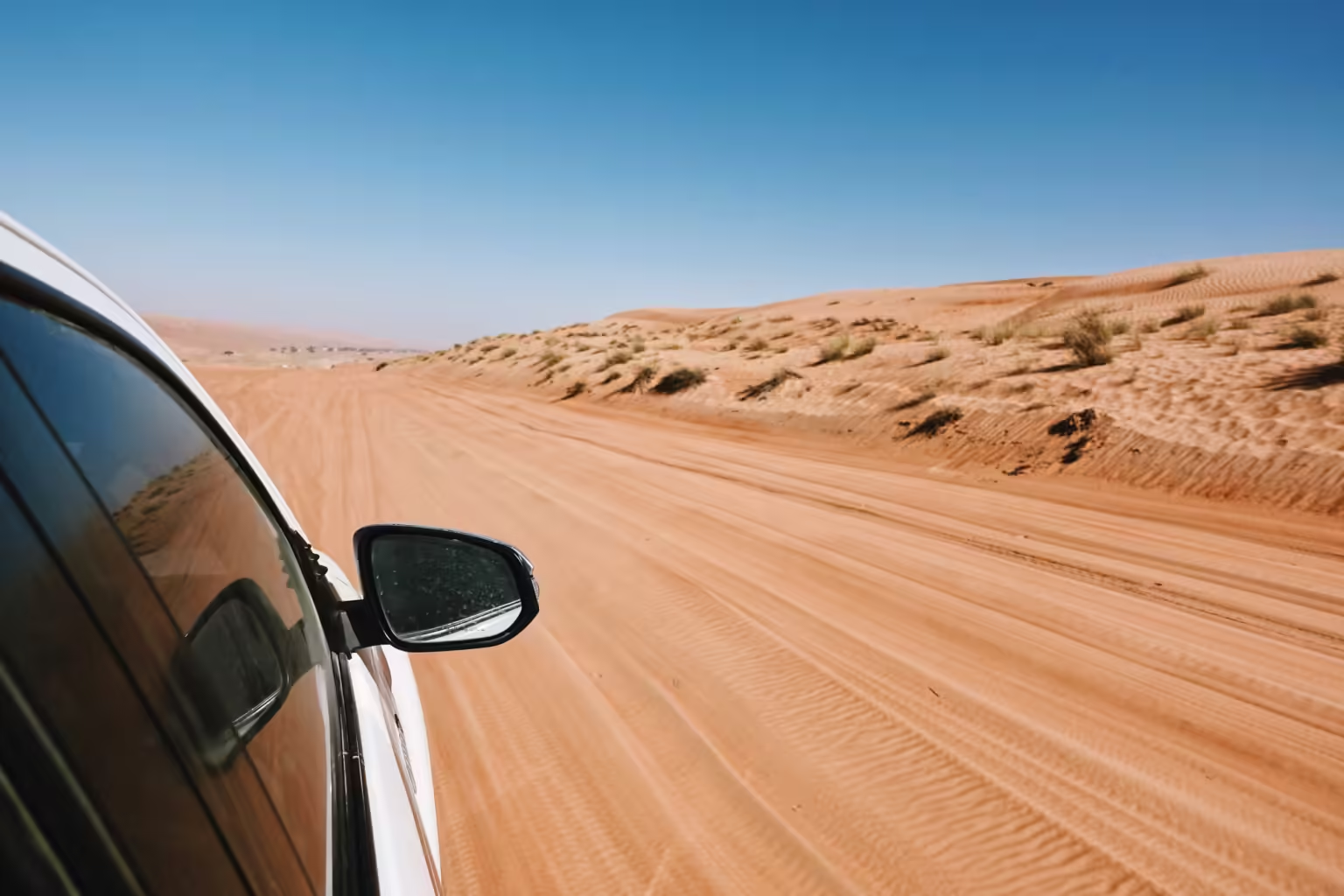
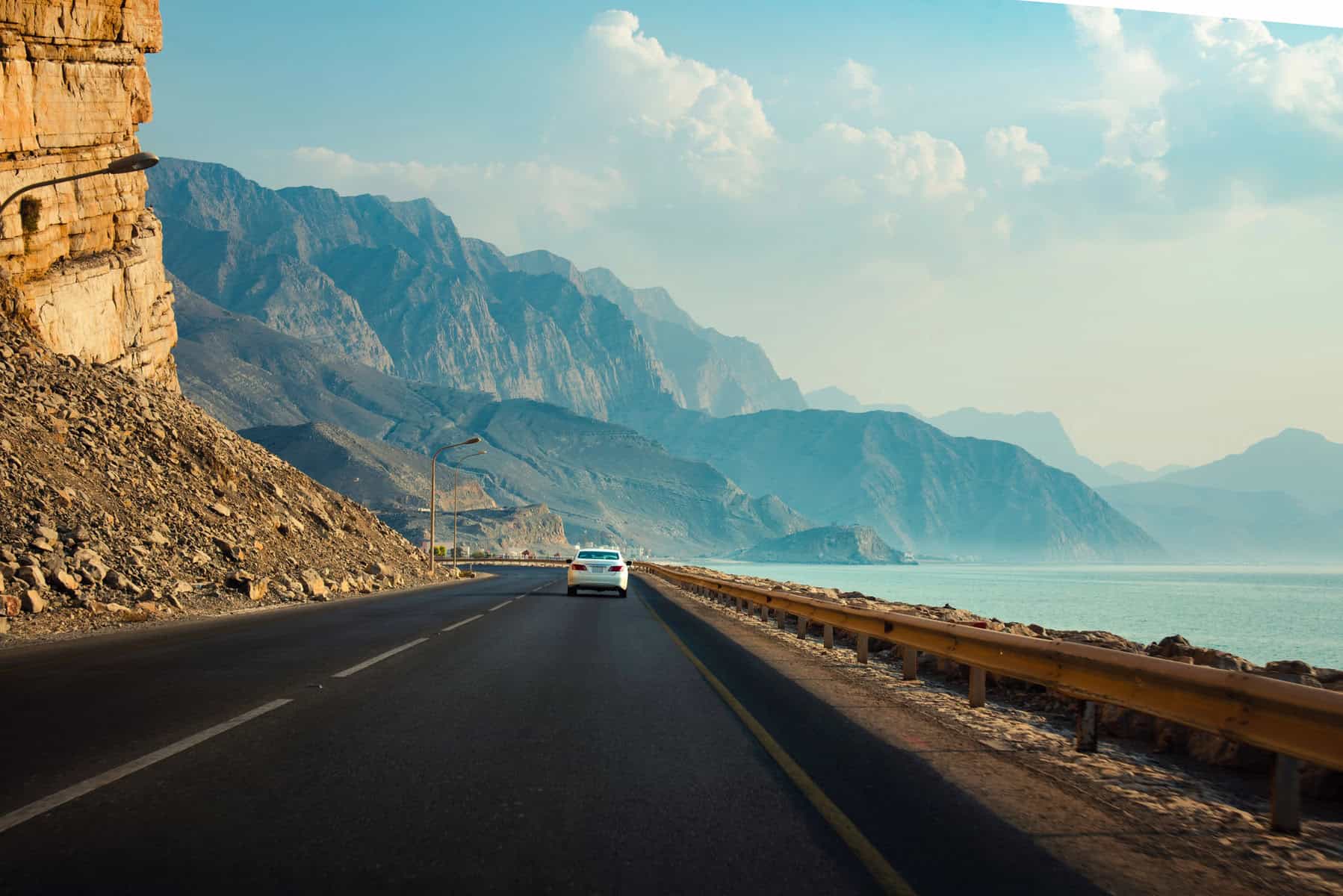
Oman’s main roads are excellent and easy to navigate. But some landscapes — high mountain tracks or deep desert routes — do require experience, preparation, and local knowledge.
You don’t need to be a “survivalist” to explore these places. The key is choosing the right approach. For more demanding terrain, I often travel with an experienced local driver or an Omani friend who knows the area well. That choice isn’t a loss of independence — it’s what allows you to stay relaxed, safe, and fully present instead of focused on navigating every turn.
The Reality: While Arabic is at the heart of the culture, English is widely spoken, and the Omani people are famously helpful. You’ll find that a smile and a few basic phrases (which I’ll share in Stage 2) open doors to conversations and coffee invitations you never expected.
With those mental roadblocks out of the way, it’s time to get practical.
Here are the 11 steps to follow to plan a memorable journey to Oman.
Before you do anything, make sure your travel documents are ready so you have no bad surprises upon entry. Here’s a general overview of what you need to know. Check the links for the latest information, starting with the official government’s website: www.fm.gov.om/visitors/entry-visas/
Good news if you’re planning independently: Oman offers 14-day visa-free entry for travellers from over 100 countries — including the US, UK, Canada, Australia, and most of Europe.
There’s also a useful exception worth knowing: travellers from certain countries — including India and Egypt — may still enter Oman without a visa if they already hold a valid visa or residence permit for places like the US, UK, Schengen area, Canada, Australia, or another GCC country. In some cases, GCC residents are also eligible based on their profession. It’s one of those details that can quietly make planning much easier if it applies to you.
Visit the following website to check the list of countries: IATA’s global visa database
A passport with at least six months’ validity from your arrival date
A confirmed return or onward ticket, showing you’ll leave Oman within 14 days
A booked place to stay, such as a hotel or guesthouse
Valid travel health insurance covering your time in Oman
If you think you’ll want to stay in Oman for more than 14 days, this is one part you need to plan before you arrive. The free 14-day visa-free entry can’t be extended once you’re in the country. Instead, you’ll need to apply in advance for a paid 30-day (or longer) visa through the Royal Oman Police eVisa system.
That 30-day visa can usually be extended once — either online or at a SANAD office — for another 30 days, at a cost of around 20 OMR plus fees. For stays beyond that, the usual solution is to leave the country and re-enter on a new visa.
Traveller’s Tip: make a photocopy of page 2 in your passport (the page with your photo) and bring it with you. You can carry this with you throughout your trip. You should also take a photo of this page and keep it on your phone.
In general, the best time to visit Oman is winter (November to March) and the shoulder seasons.
Oman is one of the hottest countries in the world and basically has two seasons: a warm season (known as ‘winter) and a hot/very hot season (called ‘summer’). There aren’t really spring or autumn seasons.
But in fact, Oman doesn’t have one single “perfect” travel season. Conditions change noticeably between the coast, the mountains, the desert, and the south, and timing affects not just temperatures but what kind of journey you can have.
OMAN IN WINTER (November to March)
Good for: Comfortable temperatures, outdoor exploration, and travelling widely across the country.
My first trip to Oman happened to be in November. I came to teach a three-week English course for staff at an oil company in the desert. Having grown up in Lille, in the north of France, I was endlessly amused when my students complained that it was freezing as early-morning temperatures dipped to around 18°C.
It makes more sense, of course, when you realise that in summer, temperatures in Oman regularly reach 48°C — and sometimes even 50°C. Against that backdrop, winter feels genuinely cold to locals.
For most of Oman, I would definitely recommend for you to visit during the ‘winter’ season which starts in November and goes until end of March or April. The average temperature in Muscat in December is 23° and in January is 21° which are perfect if you want to do some hiking.
It’s the season when you can move through Oman without constantly negotiating the heat.
While higher mountain areas can feel chilly after sunset and the sea is cooler for swimming, roads remain open and travel is straightforward. Winter is also the busiest time of year, but it’s busy for a reason: this is when Oman offers the widest range of experiences with the least physical strain.
Despite the drier landscape, winter days are often clear and bright, making it an especially pleasant time for a Muscat stay or a multi-region itinerary.
Get ready for your Oman adventure with this essential packing list! Learn what to bring for every activity and season, ensuring a hassle-free travel experience.