1. Frankincense Steam for Glowing Skin
I’ve seen Omani women use this before a wedding, or just after a long day. They put the frankincense on charcoal, but you can get the same effect with hot water and a towel.
Why it’s powerful: Frankincense has been used in Oman for purification and skincare for centuries. When simmered in water, it releases healing vapour that can tighten pores and clear the skin.
Modern twist: Use as a facial steam, or bottle the water as a toner.
Accessible item: Frankincense resin (available in organic shops or online)
How to use it at home: Add a few frankincense tears to hot water, lean over the bowl, and cover your head with a towel for 5–10 minutes.

2. Omani Kohl for Eye Definition
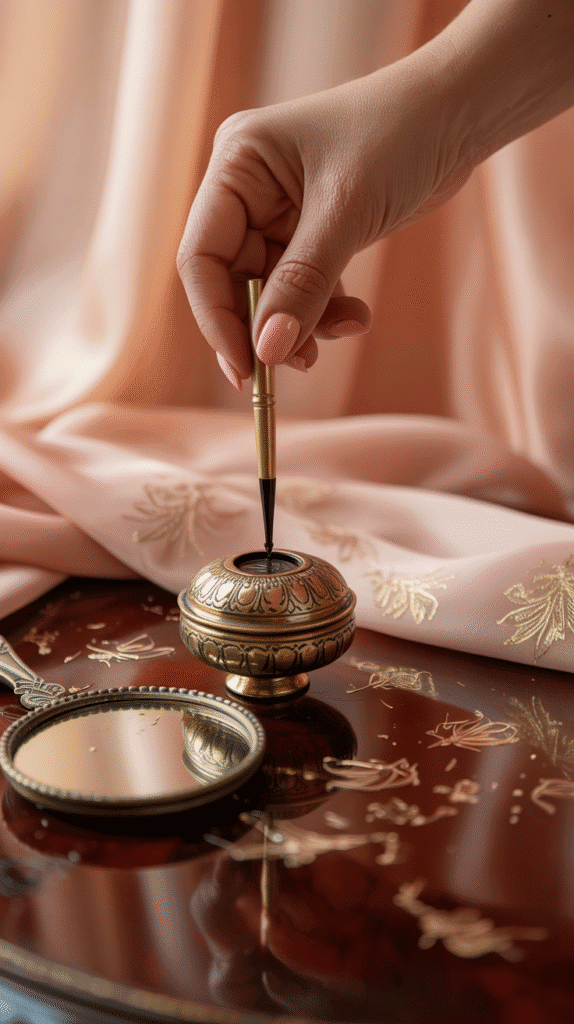
You’ll still find small tins of powdered kohl in many Omani homes — often passed down from a grandmother or aunt.
Why it’s powerful: Traditional Omani kohl made from natural minerals is believed to protect and beautify the eyes.
Modern twist: Use as a soft eyeliner or brow filler with a brush.
Accessible item: Natural powdered kohl (or black eyeshadow for a substitute)
How to use it at home: Dab a clean brush into the powder and apply it gently along the lash line or brows.

3. Rosewater to freshen up
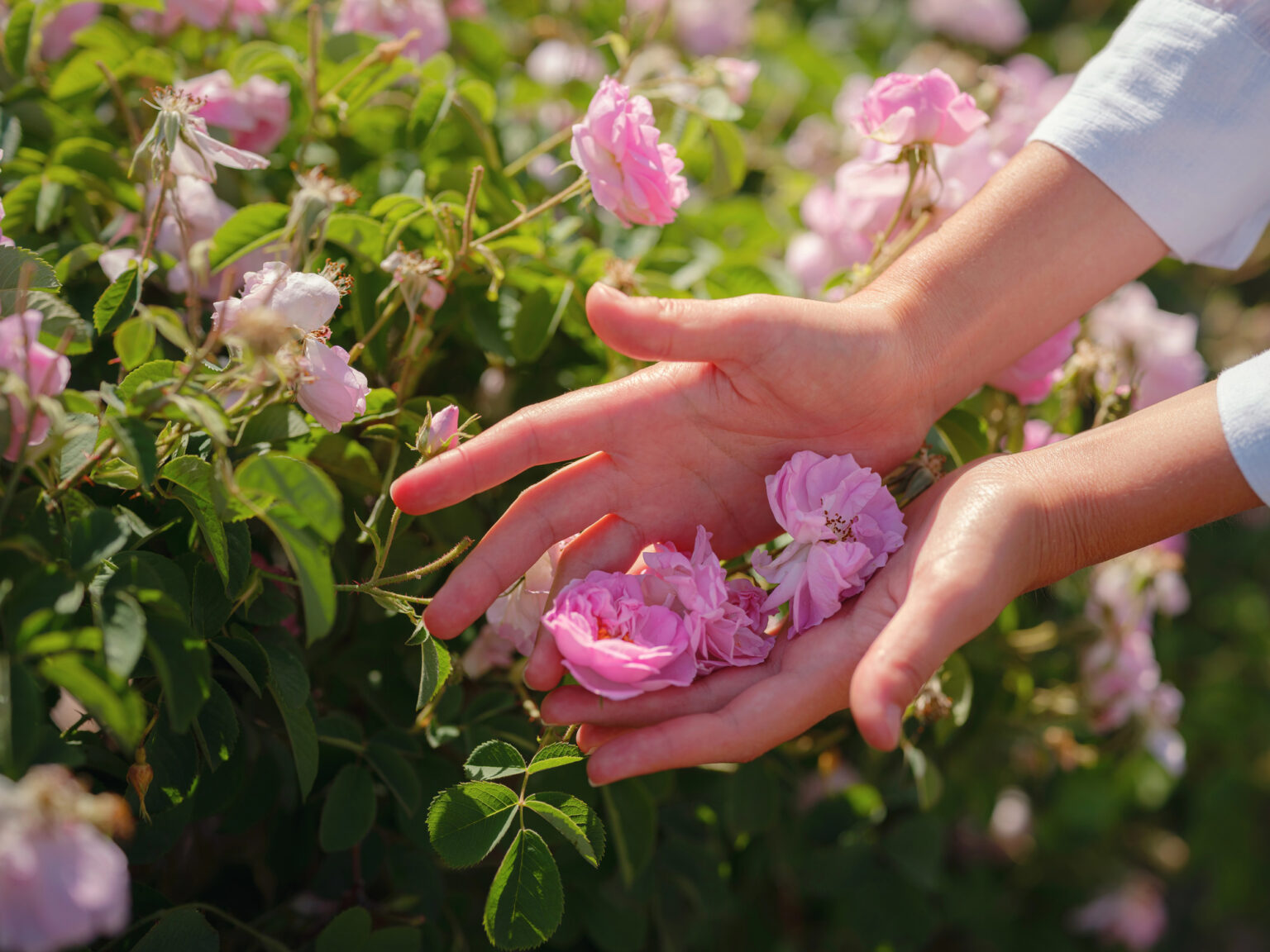
In Jabal Akhdar (the ‘Green Mountain’ area), families still distil rosewater the traditional way during the blooming season — usually in April or May. But in Saudi Arabia, they also produce and use rose oil.
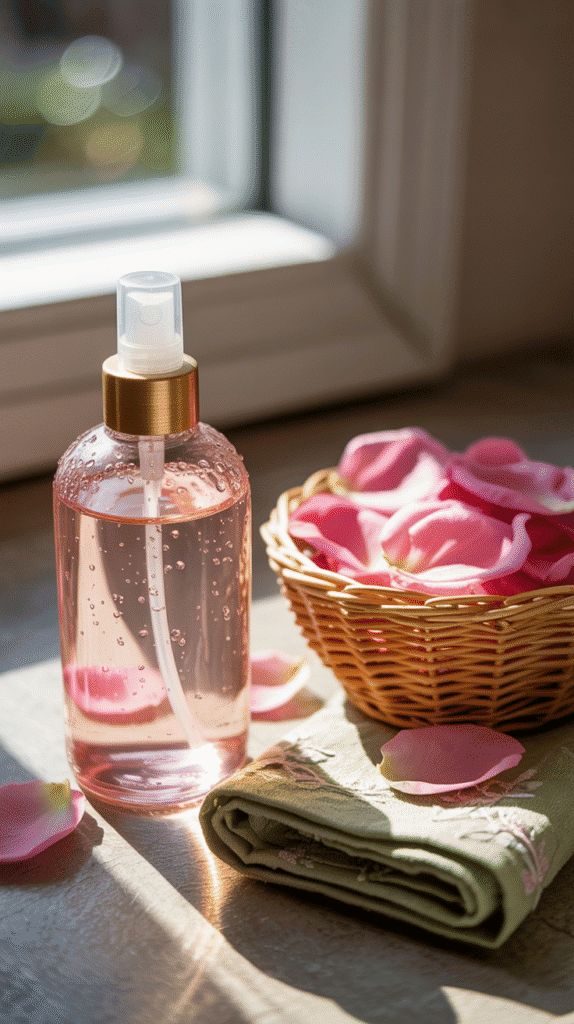
Why it’s powerful: Rosewater/rose oil is famous for its gentle, fragrant properties. Used to freshen the face and soften the skin.
Modern twist: Pour rosewater into a spray bottle for a homemade face mist.
Accessible item: rosewater (or distilled rosewater)
How to use it at home: Spray directly onto clean skin after washing, or use it to set your makeup.

The following video from the ‘Dream Team Travels’ Youtube Channel gives a really good idea how Rose Oil and Rose Water are made traditionally in Jabel Akhdar in Oman.
As is explained in the video, it takes 4,000 kilos of rose petals to make 1 litre of Rose oil!
4. Date Syrup Lip Mask
This one surprised me the first time I heard it. I thought date syrup was just for drizzling on pancakes but it works on lips too.
Why it’s powerful: Dates are high in antioxidants and sugars — when mixed into a thick paste, they can moisturise and plump lips.
Modern twist: Mix date syrup with a touch of honey and use as a lip mask.
Accessible item: Date syrup + honey
How to use it at home: Apply to clean lips, leave for 10 minutes, and rinse with warm water.

5. Milk and Rose Body Soak (Desert Spa Ritual)
This is a common pre-wedding ritual in Oman, especially in rural areas. The idea is to smell nice and feel soft.
Why it’s powerful: Omani women traditionally use natural ingredients like rose petals and milk to soften and perfume the skin — especially before weddings or special events.
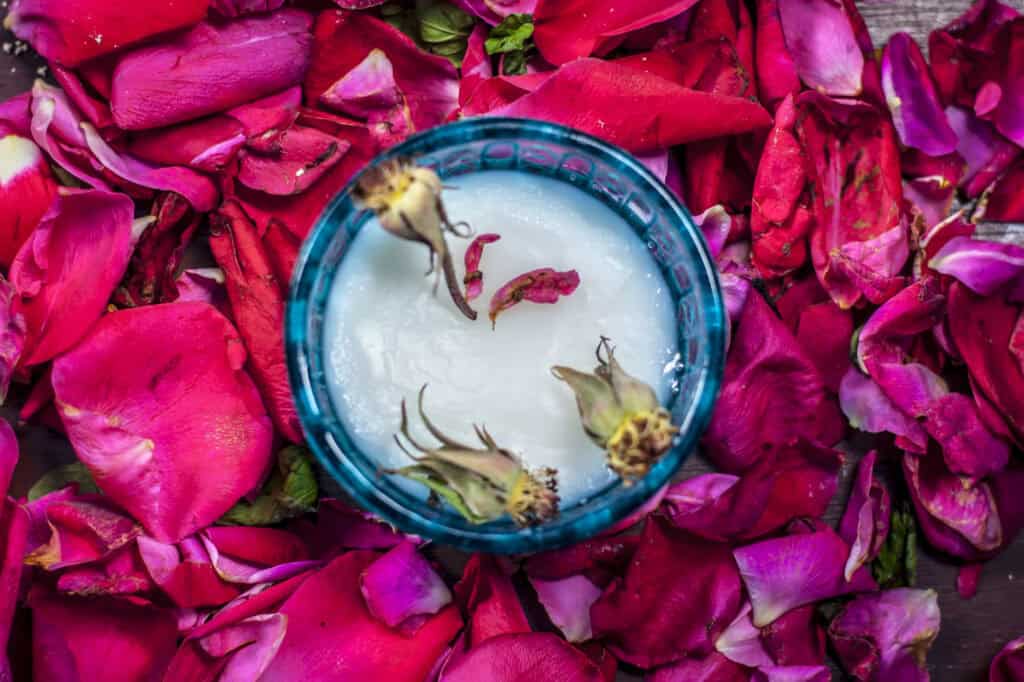
Modern twist: Add powdered milk, dried rose petals, and a few drops of rosewater to a warm bath for a luxurious DIY soak.
Accessible items: Powdered milk, dried rose petals (or tea), rosewater
How to use it at home: Add everything to the bath, soak for 20 minutes, and rinse with clean water.
Why it works: Lactic acid in milk gently exfoliates the skin while rose soothes and leaves a lasting scent.

6. Henna Hair Gloss with Hibiscus
Most people associate henna with hair dye or wedding designs, but it’s also a deep conditioner when used the right way.
Why it’s powerful: Henna has deep roots in Omani beauty — not just for dyeing, but for nourishing the scalp and strengthening hair.
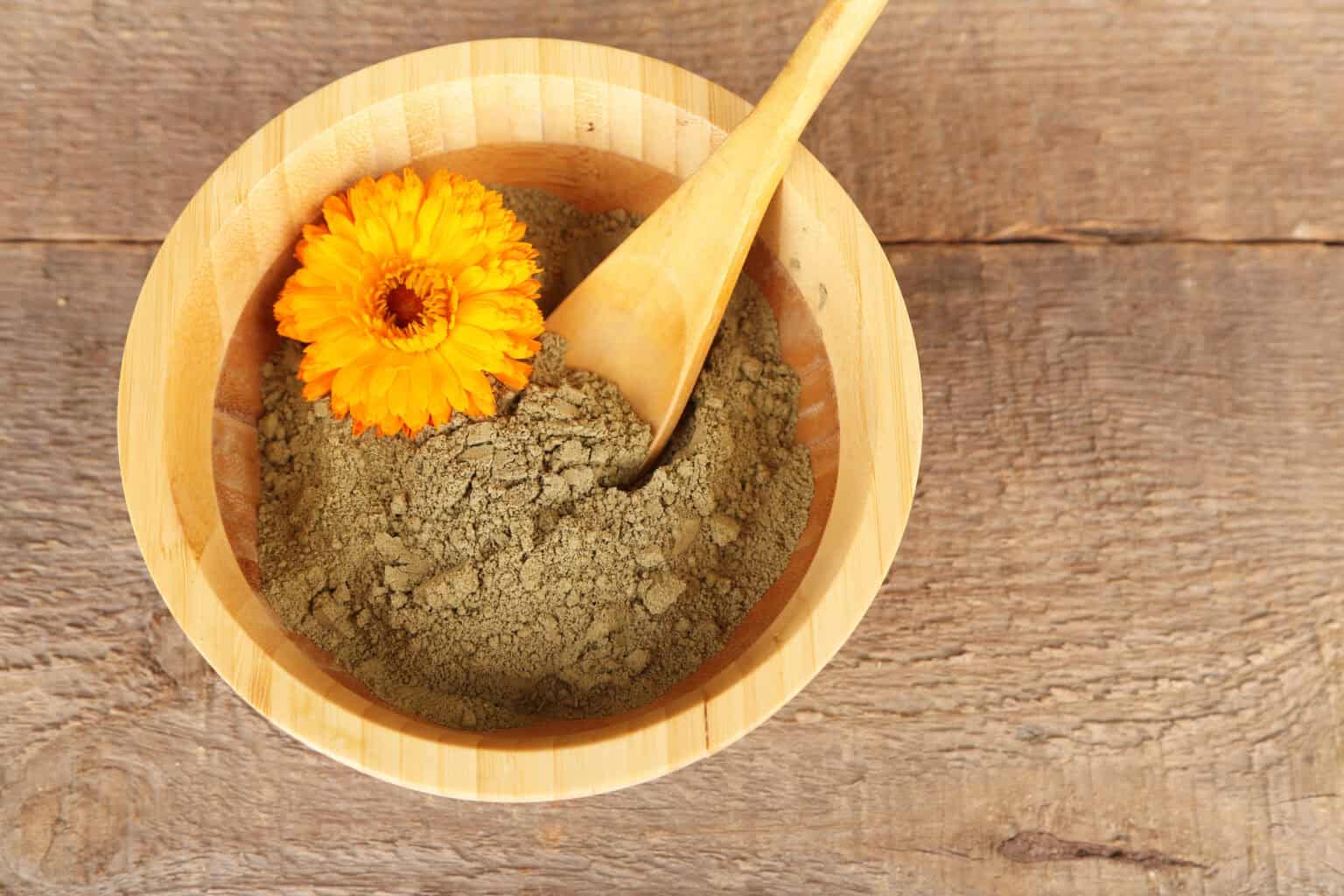
Modern twist: Mix henna with hibiscus powder and yoghurt for a deep-conditioning gloss.
How to use it at home: Mix into a paste, apply to clean hair, leave for 30–60 minutes, and rinse well.

7. Clay and Turmeric Brightening Mask
You’ll often find these ingredients sold side-by-side in traditional markets — used for everything from face masks to scrubs.
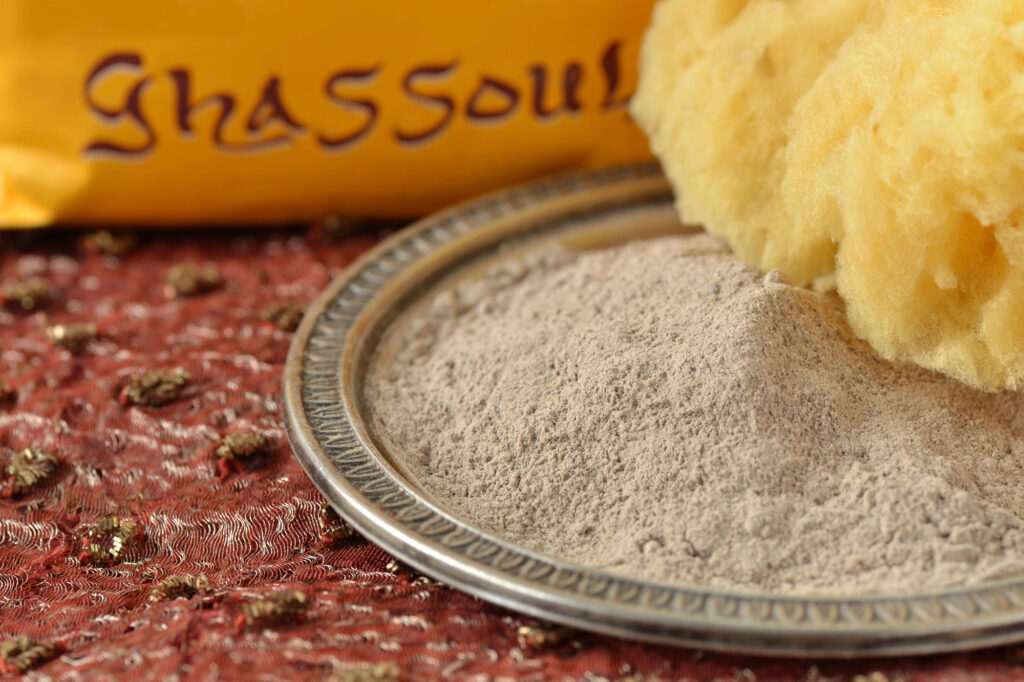
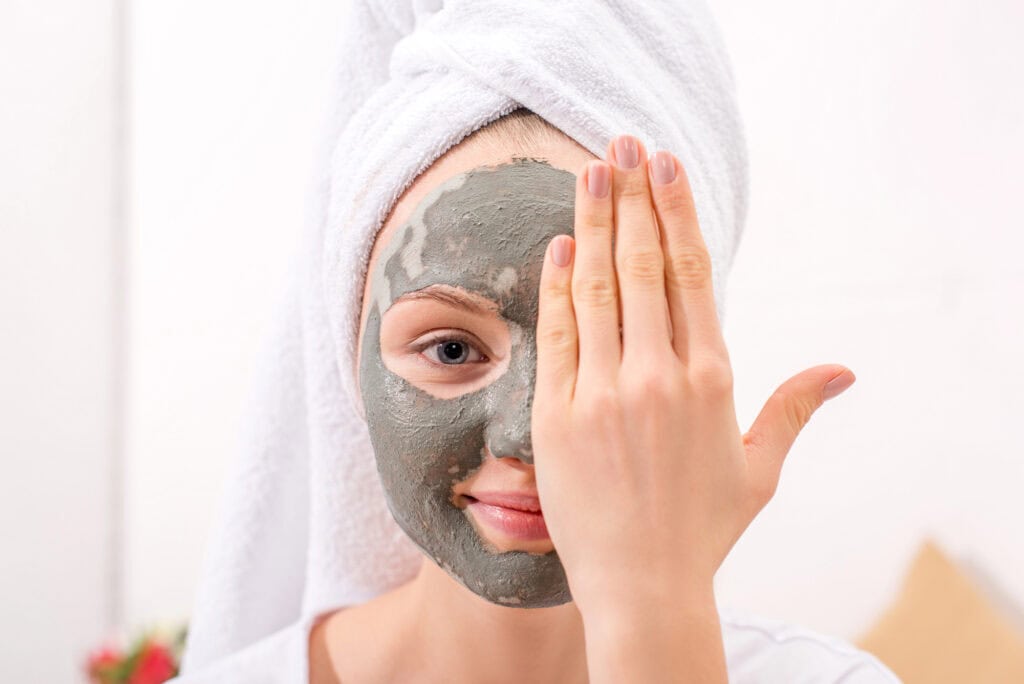
Why it’s powerful: Clay (especially rhassoul or Multani mitti) and turmeric are traditional ingredients used to cleanse and brighten the face.
Modern twist: Blend with rosewater and honey for a glowy face mask.
Accessible item: Clay powder + turmeric + rosewater/honey
How to use it at home: Mix into a thick paste, apply to clean skin, leave for 10–15 minutes, and rinse.

8. Omani Myrrh Oil for Wrinkle Care
Myrrh is often overshadowed by frankincense, but in Oman, both are used — sometimes blended together in homemade oils.
Why it’s powerful: Myrrh (like frankincense) is native to Oman and often used in perfumery and skin healing.
Modern twist: Add a drop to face oil or night cream for anti-aging benefits.
Accessible item: Myrrh essential oil (blended or diluted in carrier oil)
How to use it at home: Add one drop to your usual night oil or moisturiser and apply to the face before bed.
9. Sugar Halawa for Hair Removal
This is one of those things most women here just know how to do — it’s passed down casually, like how to brew tea.
Why it’s powerful: Sugaring (halawa) is an ancient Arabic method of hair removal using boiled sugar, lemon, and water.
Modern twist: Gentle on the skin and can be made at home.
Accessible item: Sugar + lemon + water (easy DIY recipe)
How to use it at home: Heat equal parts sugar and lemon juice with a little water until thick and golden. Let it cool slightly, roll into a ball, and use to remove hair like wax.
Arabic beauty rituals are simple, natural, and still effective. You don’t need expensive products — just ingredients like rosewater, clay, or frankincense, and a few minutes. These timeless treatments are easy to try at home and still hold their place in modern skincare.
Pick one to try this week — and if you do, I’d love to hear how it went.